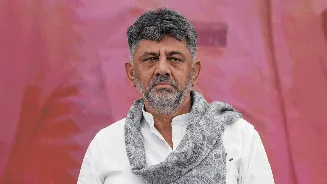





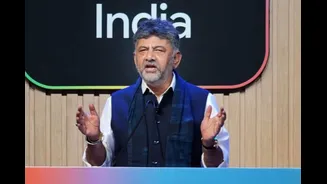




Bengaluru: Karnataka Chief Minister DK Shivakumar has appealed to Prime Minister Narendra Modi for immediate central intervention as the state grapples
with an emerging drought caused by poor monsoon rainfall.
In a letter to the Prime Minister, Shivakumar requested the Union government to send a central study team to assess the situation on the ground and provide timely assistance to the state.
Monsoon deficit raises alarm
I have written to Hon’ble Prime Minister Shri @narendramodi seeking urgent intervention in view of the emerging drought situation in Karnataka.
The State has recorded a significant monsoon deficit, delayed kharif sowing, low reservoir storage and increasing stress on… pic.twitter.com/C6TG0lFUjI
— DK Shivakumar (@DKShivakumar) July 14, 2026
According to the Chief Minister, Karnataka has recorded a rainfall deficit of around 30% up to July 11, mainly due to the impact of the El Nino weather pattern.
The India Meteorological Department (IMD) had already predicted below-normal rainfall for the 2026 southwest monsoon season. The state has received only 203 mm of rain against the normal average of 292 mm, placing it in the “deficient” rainfall category.
Out of Karnataka’s 31 districts, 18 have reported deficient or severely deficient rainfall. At the taluk level, 141 of the state’s 240 taluks are facing below-normal rainfall, showing that the shortfall is widespread.
Farmers under pressure
The Chief Minister said the weak monsoon has delayed kharif sowing, reduced reservoir storage and increased pressure on farming, drinking water supply and rural livelihoods.
Sharing details of his appeal on X, Shivakumar wrote, “I have written to Hon’ble Prime Minister Shri Narendra Modi seeking urgent intervention in view of the emerging drought situation in Karnataka. The State has recorded a significant monsoon deficit, delayed kharif sowing, low reservoir storage and increasing stress on agriculture, drinking water and rural livelihoods. While the Government of Karnataka has already initiated contingency measures and prioritised water conservation, I have requested the Centre to depute a Central Team to assess the situation on the ground and extend timely assistance to support our farmers and strengthen the State’s drought mitigation efforts. We stand firmly with every farmer and every family affected during this challenging time.”
Key regions affected
The Malnad region, which serves as an important catchment area for the Cauvery, Tungabhadra and Bhadra river systems, has recorded the highest rainfall deficit of 34%.
Other regions have also reported below-normal rainfall, including Coastal Karnataka (30% deficit), North Interior Karnataka (24% deficit) and South Interior Karnataka (18% deficit).
State seeks urgent support
The Chief Minister noted that Karnataka remains one of India’s most drought-prone states because nearly 77% of its geographical area falls within dry or semi-arid regions.
The state also has nearly 84.79 lakh hectares of rainfed farmland, making agricultural production heavily dependent on timely monsoon rainfall.
With rainfall remaining well below normal, the Karnataka government has asked the Centre to quickly assess the situation and provide support to strengthen drought relief measures and protect farmers’ livelihoods.