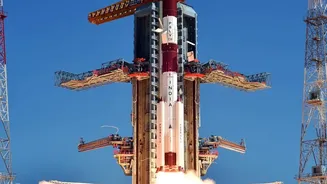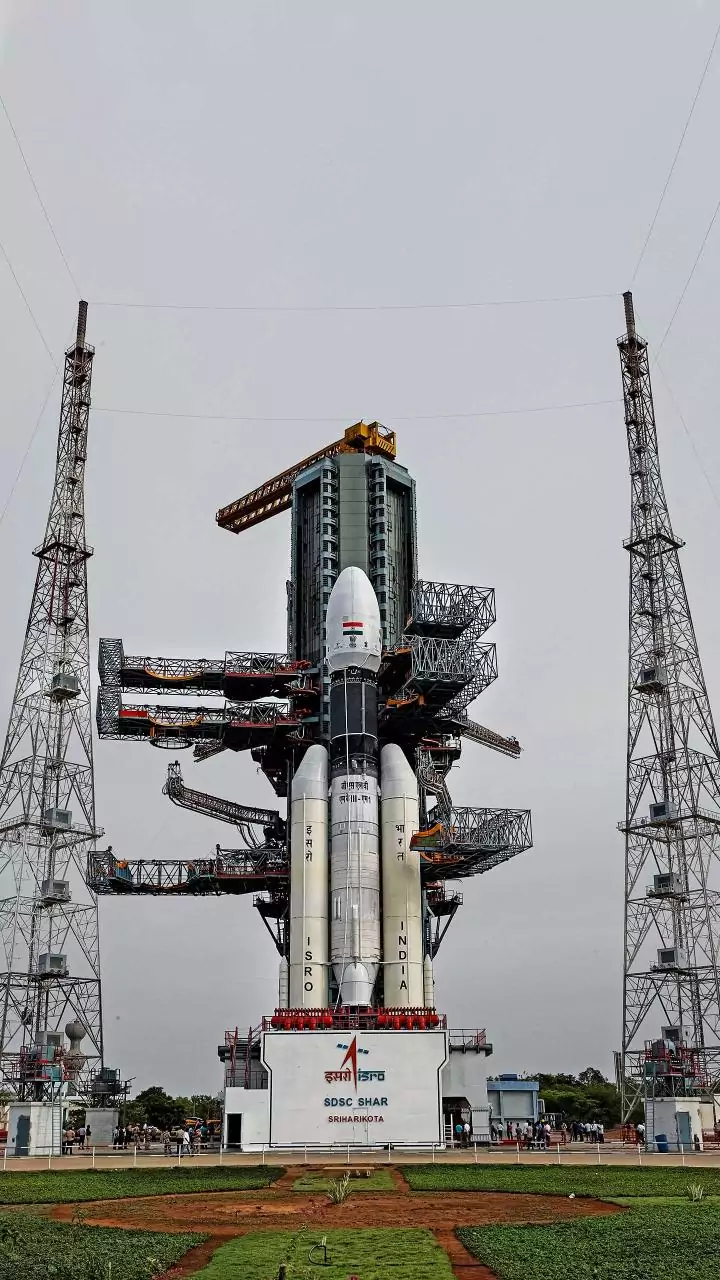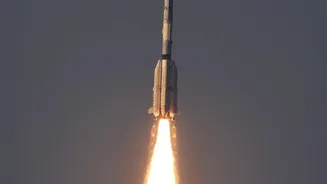







The Indian Space Research Organisation (ISRO) successfully launched its navigation satellite NVS-03 late Friday night, marking an important development
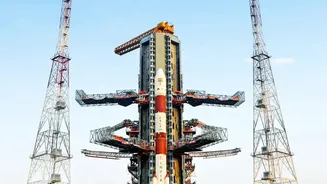
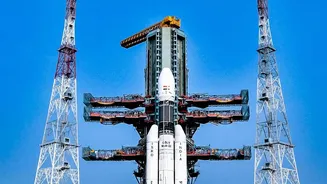
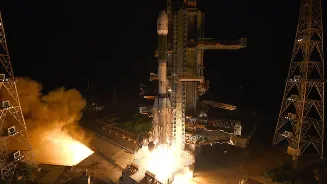
in India’s efforts to strengthen its indigenous satellite navigation system, NavIC. The Geosynchronous Satellite Launch Vehicle (GSLV-F18) lifted off from Sriharikota at 11.51 pm, carrying the satellite into space.
ISRO Chairman V Narayanan confirmed that the spacecraft had been placed in its intended elliptical orbit. Highlighting the significance of the mission, he said India was moving closer to achieving “One Nation, One Time” through accurate, independent navigation and timing services.
Mission Success!
GSLV-F18 has successfully placed NVS-03 in the intended orbit.
Congratulations!Watch live: https://t.co/6X42ANRnTC
Mission details:
https://t.co/wtZ6TmjUhc#GSLVF18 #NVS03 #ISRO #NavIC
— ISRO (@isro) October 30, 2026
Prime Minister Narendra Modi also congratulated ISRO, describing the launch as an important step towards strengthening NavIC.
Congratulations to our scientists and engineers at ISRO on the successful launch of GSLV-F18 carrying NVS-03.
This mission marks an important step in strengthening NavIC, our indigenous satellite navigation system. Equipped with enhanced capabilities, NVS-03 will further our pursuit of self-reliance in critical technologies and support navigation services that benefit our people.
The dedication and ingenuity of our space scientists continue to make our nation proud.
@isro
— Narendra Modi (@narendramodi) October 31, 2026
“This mission marks an important step in strengthening NavIC, our indigenous satellite navigation system. Equipped with enhanced capabilities, NVS-03 will further our pursuit of self-reliance in critical technologies and support navigation services that benefit our people. The dedication and ingenuity of our space scientists continue to make our nation proud,” he said in a post on X.
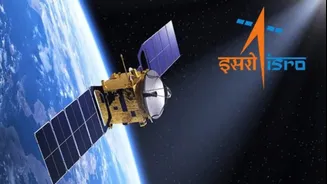
NVS-03 is the third satellite in India’s second-generation Navigation Satellite series and the 12th satellite of the Indian Regional Navigation Satellite System (IRNSS). It is designed to improve the coverage, reliability and capabilities of NavIC, India’s alternative to the American GPS.
Developed following the limitations India faced in accessing GPS information during the 1999 Kargil conflict, NavIC provides positioning, navigation and timing services across India and up to 1,500 km beyond its borders.
India’s navigation programme has faced technical challenges, particularly failures involving atomic clocks used in earlier satellites. These clocks are essential for providing accurate timing information required to determine geographical positions.
NVS-03 carries an indigenous atomic clock alongside procured clocks, marking progress in reducing India’s dependence on foreign technology for critical satellite components.
The mission also demonstrated the improved reliability of ISRO’s GSLV Mk II rocket, which has faced several setbacks in the past, particularly involving cryogenic technology.
Narayanan described it as “the most precise launch of any rocket in the world”.
With NVS-03 in orbit, India’s NavIC constellation now has four supporting navigation satellites, according to officials. ISRO plans to launch NVS-04 and NVS-05 to strengthen the network further and work towards restoring its full seven-satellite architecture.