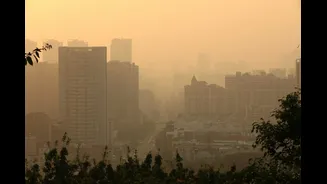






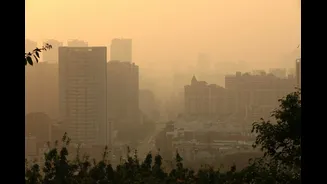

New Delhi: Poor air quality is leading to several complications for those with diabetes. Medical experts say the toxic air we breathe in can increase the risk
of type 2 diabetes and can make controlling blood sugar levels more difficult.
Whilst there are many causes of diabetes, such as poor diet, genetics and lack of exercise, research has shown that fine particulate matter (PM2.5) and gas pollutants such as nitrogen dioxide are increasing the risk of type 2 diabetes. An increase in fine particulate matter over time increases the risk of developing type 2 diabetes by approximately 10-16 per cent.
How air pollution causes insulin resistance
Tiny particles in the air get into our lungs, causing damage. Air pollution can have deeply harmful effects on people living with diabetes. Polluted air will cause an increase in systemic inflammation from the fine particulate matter. This creates problems with insulin working normally within the body, causing insulin resistance.
Research has shown that fine particulate matter and pollution from cars cause the body to release pro-inflammatory cytokines and cause oxidative stress (reactive oxygen species). This causes insulin resistance within the muscles, fat cells and liver. Poor air quality can cause stress to the body, causing an increase in stress hormones such as cortisol. This causes the liver to release more glucose.
When air pollutants enter the bloodstream through the lungs, they contribute to insulin resistance, making blood glucose levels noticeably harder to keep within target ranges.
Air pollution and diabetes complications
Polluted air increases the risk of vascular complications in those with diabetes. Long-term exposure to PM2.5 causes damage to blood vessels due to endothelial dysfunction. This can cause high blood pressure and increase the risk of chronic kidney disease (CKD).
Long-term exposure to polluted air not only increases the risk of developing type 2 diabetes and worsens existing disease, but it also significantly raises the threat of cardiovascular complications, hypertension, and kidney-related problems—conditions that are already primary concerns for people with diabetes.
What to do during high air pollution
During high pollution days, it is recommended that diabetics avoid walking, jogging or doing any strenuous exercise. Typically, high pollution occurs in the mornings and evenings. So try to avoid going out. If you must go out, wear a close-fitting N95/N99 mask to protect your lungs. Keep windows and doors closed and use air purifiers with HEPA filters.
Try doing some exercise indoors, such as yoga, cycling or light weights. Eat a healthy diet with lots of antioxidants, such as seasonal fruits, green vegetables and wholegrains. Keep checking your blood sugar levels.
Regular physical activity in a clean indoor environment, combined with a balanced diet, timely medication, and routine blood sugar monitoring, is essential to safeguard patients from the hidden metabolic toll of air pollution.
(By Dr Mohit Saran, Associate Director, Internal Medicine and Diabetologist at Shalby International Hospital, Gurugram)
Disclaimer: This article is based on the research and inputs shared by the doctor mentioned above and is intended for informational purposes only. The findings should not be considered medical advice or used for self-diagnosis or treatment. Consult a qualified healthcare professional for personalised guidance.