



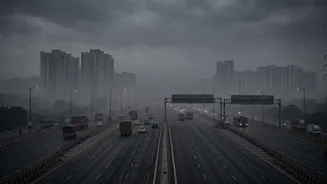


New Delhi: As Delhi-NCR enters another season of worsening air quality, residents are facing a health risk that goes beyond smog and irritated eyes. On
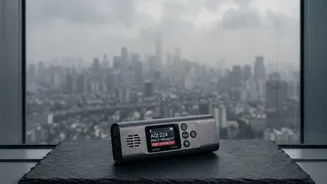
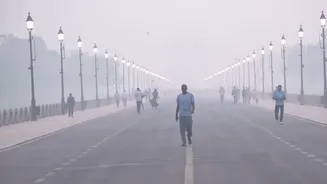
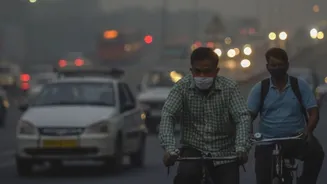
October 21, Delhi’s Air Quality Index (AQI) reached 244, in the “poor” category. Vehicle exhaust, road and construction dust, burning and unfavourable weather can all contribute to polluted air. The smallest particles, known as PM2.5, can travel deep into the lungs and affect the heart as well. Because these particles are often invisible, a seemingly clear sky does not necessarily mean that the air is safe to breathe.
Pollution exposure can cause coughing, throat irritation, watery eyes, wheezing, chest tightness and breathlessness. Children, older adults, pregnant women and people with existing heart or lung conditions are vulnerable. However, even healthy people may experience symptoms when pollution remains high.
Precautionary measures for everyone
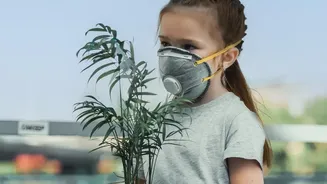
The simplest precaution is to check your area’s AQI before leaving home. When air quality is poor, avoid jogging, cycling or exercising beside busy roads, as heavy breathing increases the amount of polluted air inhaled. Shift workouts indoors and limit unnecessary outdoor trips. If going out is unavoidable, use a properly fitted N95 or N99 respirator covering both your nose and mouth. Ordinary cloth masks and scarves do not offer the same protection against fine particles.
Keep indoor air as clean as possible. Close windows when outdoor pollution is high, especially near traffic, and ventilate when conditions improve. If affordable, use an air purifier with a HEPA filter in frequently occupied rooms. Reduce indoor pollution by avoiding smoking, incense, candles, mosquito coils and burning waste. Prefer damp dusting and wet mopping over dry sweeping, which can stir particles into the air. In cars, keep windows closed in heavy traffic and use cabin air recirculation.
Extra precautions for people with lung diseases
People living with asthma, chronic obstructive pulmonary disease (COPD), chronic bronchitis or other lung diseases need additional precautions. They should continue prescribed controller medicines and inhalers regularly, even if they feel well, and never change doses without medical advice. Keep prescribed reliever medication accessible and follow a written asthma or COPD action plan if one has been provided. Check inhaler technique and medicine supplies with a healthcare professional before pollution levels worsen.
During very poor or severe air-quality days, people with lung disease should minimise time outdoors and avoid strenuous activity. Those using home oxygen must follow their clinician’s instructions rather than adjusting the flow themselves. An N95 may not be suitable or comfortable for everyone with serious breathing difficulties; discuss mask use with your treating doctor.
When to seek medical help
Seek medical advice promptly if coughing, wheezing or breathlessness increases, or if reliever medication is needed more often than usual. Severe difficulty breathing, blue lips, confusion or chest pain calls for emergency care.
Personal precautions reduce exposure, but cleaner air requires collective action too. Choosing public transport, avoiding firecrackers and open burning, and reporting dust or waste burning can help. Above all, treat AQI alerts as health information — not just weather updates. Consistent changes in daily routines can lower exposure while wider efforts tackle pollution at its source.
(By Dr Neetu Jain, Senior Consultant, Pulmonology, Critical Care and Sleep Medicine, PSRI Hospital, New Delhi)
Disclaimer: This article is written by the doctor mentioned above and is intended for informational purposes only. The findings should not be considered medical advice or used for self-diagnosis or treatment. Consult a qualified healthcare professional for personalised guidance.