






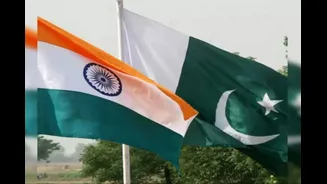
New Delhi: India and Bangladesh are facing a critical deadline as the 1996 Ganga Water Sharing Treaty approaches its expiry on December 12, 2026. With
formal negotiations for renewal yet to begin, uncertainty is growing over the future of water-sharing arrangements between the two neighbouring countries.
According to reports, Bangladesh Water Resources Minister Shahiduddin Chowdhury Anee wrote to his Indian counterpart, CR Patil, on November 17, requesting discussions on extending the agreement. Dhaka has reportedly established a high-level technical committee and is awaiting details from India regarding its negotiating team.
However, strained diplomatic relations have complicated efforts to initiate the renewal process. Officials familiar with the discussions believe reaching a comprehensive agreement within the remaining three weeks could prove challenging.
Is renewing the Ganga Water Treaty difficult?
Several factors could influence the negotiations, including climate change, changing river flows, rising populations and increasing demand for freshwater in both countries.
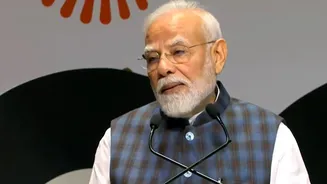
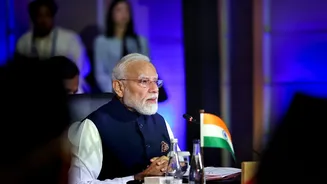
The two sides had agreed in June 2024 to establish a joint technical committee to begin preparations for renewing the treaty. The commitment was made during former Bangladesh Prime Minister Sheikh Hasina’s visit to India, when Prime Minister Narendra Modi highlighted the need for technical discussions.
Meanwhile, an Indian delegation is scheduled to visit Bangladesh from November 21 to 23 for a mandatory meeting of the joint committee established under the existing treaty. However, renewal of the agreement is not currently on the meeting’s agenda.
What is the 1996 Ganga Water treaty?
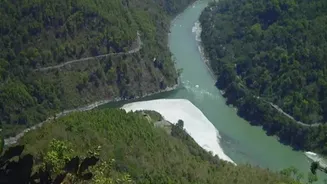
Signed in December 1996 by Prime Minister HD Deve Gowda and his Bangladeshi counterpart Sheikh Hasina, the treaty established a framework for sharing Ganga waters at the Farakka Barrage.
The Ganga is among 54 rivers shared by India and Bangladesh. While the 1996 agreement addressed a longstanding dispute, water-sharing negotiations over the Teesta River remain unresolved.
With the December 12 deadline approaching, diplomatic engagement between New Delhi and Dhaka will be crucial to avoiding uncertainty over one of their most important transboundary water agreements.