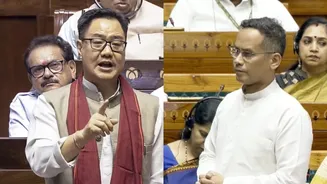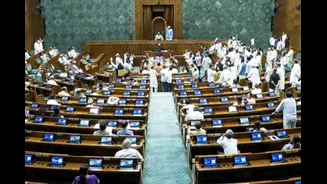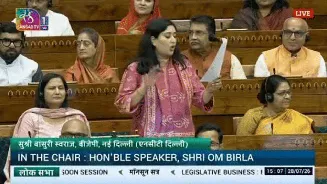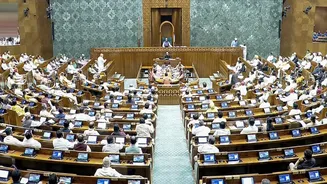





New Delhi: The Lok Sabha passed the Public Examinations (Prevention of Unfair Means) Amendment Bill, 2026, by voice vote on Wednesday, July 29. The Bill seeks
tougher punishment for paper leaks, organised cheating and fraud linked to major public examinations.
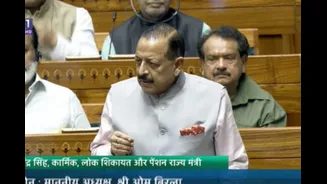
Union Minister Jitendra Singh introduced the amendment on July 27. It changes the Public Examinations Act, 2024, which covers examinations conducted by bodies such as the UPSC, SSC, Railway Recruitment Boards, IBPS and National Testing Agency. The Bill must still complete the remaining parliamentary and constitutional steps before becoming law.
What punishment does the Bill propose for paper leaks?
A person involved in unfair means could face imprisonment of five to 10 years and a fine of up to ₹50 lakh. The existing law provides imprisonment of three to five years and a fine of up to ₹10 lakh.
The penalty for a service provider involved in malpractice may rise from ₹1 crore to ₹5 crore. Its ban from conducting public examinations could increase from four years to eight years.
People involved in organised examination crime may face at least seven years in prison and a minimum fine of ₹10 crore.
Will paper leak cases be decided faster?
The Bill sets a two-month period for completing investigations. The Centre may create a Special Task Force for selected cases.
States and Union Territories will have to designate Sessions Courts as Special Fast Track Courts. Trials should take place on a day-to-day basis and finish within three months of the chargesheet being filed. Pending cases will also move to these courts.
What does the Bill mean for students?
The amendments focus mainly on leak networks, examination agencies, service providers and people who help organise fraud.
For genuine candidates, faster investigations could mean quicker clarity after a leak. Yet the Bill does not guarantee that a cancelled examination will immediately be restored or that students will receive compensation.
Students should avoid buying leaked papers, sharing unauthorised exam material or dealing with people claiming to have access to question papers. Such activity can become part of a criminal investigation.
Which examinations are covered?
The central law covers notified public examinations conducted by agencies such as the NTA, UPSC, SSC, IBPS and Railway Recruitment Boards. It does not automatically cover every school, university or state-level examination. Coverage depends on the examination authority named under the law.