





New Delhi: As Independence Day draws closer, the sight of the Tricolour fluttering from balconies, rooftops and doorways becomes an unmistakable part of India’s
August landscape. But while putting up the national flag is an expression of patriotism, the Tiranga is not an ordinary decorative flag. Its display is governed by the Flag Code of India, 2002, as amended in 2021 and 2022, along with the Prevention of Insults to National Honour Act, 1971. So, before you hoist the Tricolour for Har Ghar Tiranga 2026, here are 10 rules every citizen should know.
Flag code rules you must follow while hoisting the Tricolour
1. Get the colours and direction right
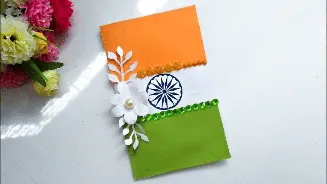
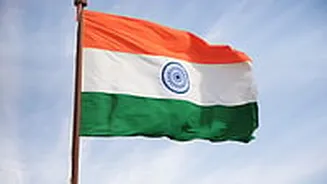
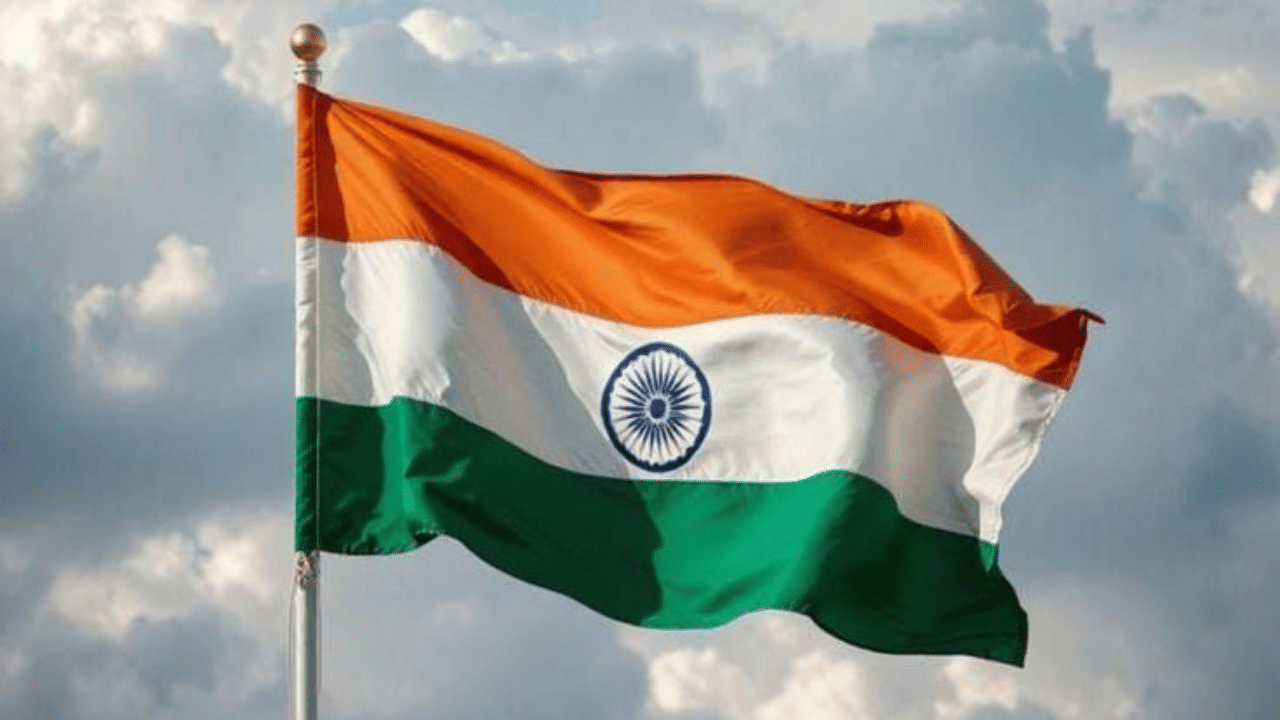
The Indian National Flag has three equal horizontal panels: India saffron at the top, white in the middle and India green at the bottom, with the navy-blue Ashoka Chakra at the centre. When displayed vertically, the saffron must remain on the right side as viewed by a person facing the flag. Intentionally displaying the flag with saffron down is specifically treated as disrespect under law.
2. Follow the 3:2 proportion
The Tricolour must be rectangular, with its length-to-height ratio fixed at 3:2. The Code permits flags of different sizes, so households can choose an appropriate size for their available space.
3. The flag must occupy the position of honour
Whenever the national flag is displayed, it should be distinctly placed and occupy a position of honour. It should not be positioned beneath another flag, nor should another flag or bunting be placed higher than or above it.
4. Do not fly it with another flag on the same mast
The Tricolour should not be flown from a single masthead simultaneously with another flag or flags. The official Har Ghar Tiranga guidance also stresses that no other flag or bunting should be placed above or alongside it in a manner that compromises its position of honour.
5. Never display a damaged or dishevelled flag
A torn, damaged, faded or otherwise dishevelled Tricolour should not be displayed. The Flag Code requires the national flag to be treated with dignity and respect.
6. Do not let the Tricolour touch the ground or water
The flag must not intentionally touch the ground or floor or trail in water. This is also expressly identified as an act of disrespect under the Prevention of Insults to National Honour Act.
7. No writing, printing or decoration on the flag
Do not write names, messages, slogans or other inscriptions on the Tricolour. The law specifically includes putting any kind of inscription on the national flag among acts constituting disrespect.
8. Don’t use the Tricolour as clothing or decoration
The national flag cannot be used as drapery, a covering for buildings, monuments or speaker platforms, or as part of clothing or accessories worn below the waist. Printing or embroidering the flag on items such as cushions, handkerchiefs, napkins and undergarments is also prohibited under the law.
9. Choose a proper flag and avoid plastic litter
Following amendments to the Flag Code, national flags can be made from hand-spun and hand-woven or machine-made cotton, polyester, wool, silk or khadi bunting. The earlier restriction that effectively excluded machine-made and polyester flags was changed in 2021. However, the government has repeatedly urged citizens not to discard flags on roads or public spaces after celebrations. Paper flags used during public events should be disposed of privately and with dignity.
10. Keep the flag flying respectfully and dispose of it with dignity
Since the 2022 amendment, when the national flag is displayed in the open or on the house of a member of the public, it may be flown day and night. But keeping it up does not mean ignoring its condition: once a flag is no longer fit for display, it should be disposed of privately in a manner consistent with its dignity.
What happens if the rules are ignored
These are not merely ceremonial conventions. The Prevention of Insults to National Honour Act, 1971 provides for imprisonment of up to three years, or a fine, or both, for publicly burning, mutilating, defacing, destroying, trampling upon or otherwise showing disrespect to the Indian National Flag.
The Har Ghar Tiranga campaign was launched in 2022 to encourage citizens to bring the national flag into their homes and deepen their personal connection with the symbol of India’s independence. In 2026, as the country prepares to mark the 79th Independence Day, the message remains simple: hoist the Tiranga proudly—but do it correctly.