








Kolkata: Is another round of hike in retail prices of petrol and diesel imminent? It seems such a decision might not be far off, considering the constant
rise of the average price of crude oil in October. The average price of the crude oil that Indian refiners are buying this month has reached a $127.04. Needless to emphasise this is the highest level suffered since the beginning of the war between the US and Iran on February 28 this year. This is ushering in an energy nightmare for India. While the government and companies witness their budget and raw material price projections go haywire, individuals are exposed to inflation spreading throughout the economy and putting upsetting their own monthly finances.
Past $127 a barrel
“Crude Oil Indian Basket as on 08.10.2026 is $127.04/bbl,” Petroleum Planning & Analysis Cell (PPAC), an arm of the petroleum ministry, wrote solemnly on its website. As benchmark Brent crude oil prices refuse to come below $100/barrel, the average cost of Indian imports have kept rising and now sailed past the $127 mark. For the domestic economy, this is the figure that really matters, since this indicates the average price that Indian importers are paying for their crude oil purchases. And there is no indication that energy market disruptions are going to end anytime soon.
Crude oil Indian basket since the war
March 2026: $111.39 per barrel
April: $114.48
May: $106.23
June: $83.22
July: $82.04
August: $90.19
September: $116.04
October: $121.45
Data: Petroleum Planning & Analysis Cell
In the last week of September, the average price that Indian refiners paid jumped past the psychologically crucial $120 a barrel. “Crude Oil Indian Basket as on 25.09.2026 is $120.86/bbl,” said PPAC. However, it crawled down to $116.52/bbl as on September 29. According to PPAC, the Indian basket of Crude Oil represents a derived basket of Sweet grade (Brent Dated) and Sour grade (Oman & Dubai average) of crude oil imported by Indian refineries each month.
Are petrol, diesel prices going to rise?
This is perhaps the most significant question to ask at this point. That the situation is certainly moving in that direction is evident. The cumulative under-recoveries — in plain words, the loss incurred every day by selling petrol and diesel — has reached about Rs 530 crore, say reports. In the last week of September, when the average cost of crude imports was lower, according to ICRA the under-recoveries stood at about Rs 8 for a litre of petrol and Rs 9 a litre of diesel. That figure must have expanded now.
As the crude prices keep rising this figure of loss keeps increasing. The Centre has already taken a knock of Rs 10 per litre of excise in both fuels. Therefore, raising reyail prices can be an option on the table. But whether the government is going to exercise that option is another question, especially with the sort of agitation that has gripped the streets of many cities.
Implications of higher crude oil prices
India is a fast growing major economy. Unfortunately, it is critically dependent on imports for its crude oil requirements and buys close to 90% of its requirements from abroad. Constant rise in crude oil prices raises prices throughout the economy and adversely affects its vital indicators. Higher crude prices quickly fuels inflation. Through higher transportation costs, inflation quickly spreads into different sectors of goods and services.
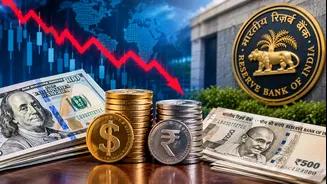
It also puts the rupee on a downward curve with respect to the US dollar, the currency in which most of the crude imports have to be paid. The slide of the rupee raises the cost of all imports and the end user — the common man — has to bear the price pinch. In August, the crude import bill jumped 18% to $11.7 billion despite volume of crude imported went down by 3% to 19 million tonnes.
Higher oil bills means wider current account deficits. High prices means reduced consumption in the eocnomy, which in turn dampens growth rates and rate of employment generation. The fall of the rupee prompts foreign investors feel encouraged to sell off Indian equities, depressing the mood in the stock market. All these impacts are in full view in the Indian economy now.