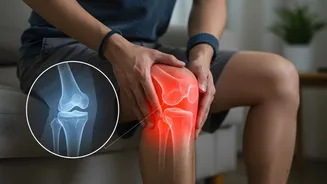








New Delhi: Climbing stairs, rising from a chair, opening a jar or walking to a nearby market can become challenging when arthritis affects the joints.
Beyond pain, restricted movement can disrupt work, sleep, social activities and the ability to manage daily tasks independently. World Arthritis Day, celebrated on October 12, highlights the importance of identifying the cause of persistent joint symptoms rather than simply tolerating the discomfort.
The scale of the problem is significant. A study published in Osteoarthritis and Cartilage in 2022, based on Global Burden of Disease 2019 data, estimated that the number of people living with osteoarthritis in India rose from 23.46 million in 1990 to 62.35 million in 2019, around 2.66 times the earlier figure. These estimates relate specifically to osteoarthritis and are not current figures for all forms of arthritis.
Globally, the World Health Organisation (WHO) estimated that 528 million people were living with osteoarthritis in 2019, representing a 113 per cent increase since 1990. These figures underline why joint health requires attention beyond occasional pain relief.
What is arthritis and its conditions?
Arthritis is not a single disease. Osteoarthritis involves changes in joint tissues, whereas rheumatoid arthritis is an autoimmune condition in which the immune system attacks the body’s own tissues. Since the conditions require different treatment approaches, identifying the underlying cause is essential. Persistent swelling, stiffness or declining joint function warrants medical assessment rather than being dismissed as a normal part of ageing.
Dr Pawan Kumar Chajed, Consultant, Orthopaedics, SPARSH Hospital, Hennur Road, said, “Joint pain deserves attention when it starts changing how a person walks, works or manages everyday activities. People should avoid assuming that persistent stiffness or swelling is simply an unavoidable consequence of growing older.”
He added, “Arthritis includes different conditions, and identifying the underlying cause is essential to choosing the right treatment. The assessment should consider the pattern of symptoms, physical examination and investigations where clinically necessary. For inflammatory arthritis, timely diagnosis and appropriate treatment can help limit damage that may otherwise become irreversible. Patients should describe difficulties such as dressing, gripping objects or climbing stairs, because these reveal the functional impact of the disease. The aim of care is to preserve movement and independence alongside relieving pain.”
What people with osteoarthritis do?
For people with osteoarthritis, appropriately prescribed exercise and weight management can help control symptoms and support joint function. The US National Institute of Arthritis and Musculoskeletal and Skin Diseases recommends exercise tailored to individual needs, including strengthening exercises and suitable low-impact activities. For people who are overweight, weight reduction can also help reduce stress on weight-bearing joints, particularly the knees and hips.
Dr Mihir Tanvi, Senior Consultant, Orthopaedics and Spine, Apollo Spectra Hospitals, Jaipur, said, “For people with osteoarthritis, treatment needs to address how the joint functions as well as how much it hurts. An appropriate exercise programme can help strengthen the muscles supporting the joint and improve flexibility. The type and intensity of activity should be adapted to the patient’s symptoms, physical capacity and other health conditions.”
She further advised, “Low-impact activities may be useful, but patients should seek guidance before beginning an unfamiliar exercise routine. Weight management is another important component for patients who are overweight, particularly when the knees or hips are affected. Medication may help manage symptoms, while physiotherapy can support safer movement and better function. A practical treatment plan should help patients remain active within their abilities and work towards meaningful everyday goals.”
Impact of rheumatoid arthritis
Rheumatoid arthritis also contributes substantially to the global burden of joint disease. According to the WHO, 18 million people worldwide were living with the condition in 2019, and approximately 70 per cent were women. Unlike a problem confined to one painful joint, rheumatoid arthritis can affect multiple body systems, making timely diagnosis and ongoing treatment particularly important.
When medical assessment is needed?
Dr Sudhanshu Verma, Orthopaedics, Regency Healthcare, Gorakhpur, said, “Persistent joint swelling, prolonged morning stiffness or symptoms affecting several joints should prompt a medical assessment. Rheumatoid arthritis can affect younger adults too, so age alone should not be used to dismiss these warning signs. Pain relief may ease discomfort, but controlling inflammatory arthritis requires treatment directed at the underlying disease. There is no single test that can establish the diagnosis in every patient, which makes clinical evaluation important.”
Dr Verma mentioned, “A rheumatology opinion should be sought when the symptoms suggest inflammatory arthritis. Patients receiving treatment need regular follow-up so that disease activity, treatment response and possible side effects can be monitored. Early, sustained care can help protect joint function and reduce the disruption arthritis causes to working and family life.”
When joint replacement surgery is needed?
For people with advanced osteoarthritis, joint replacement may be considered when extensive joint damage and persistent symptoms continue to affect daily activities despite other treatments. The decision requires an individual assessment of pain, disability, overall health and the potential benefits and risks of surgery. Rehabilitation also remains an important part of care, including for patients who do not undergo an operation.
Dr Krishan K Gupta, Senior Consultant, Orthopaedics and Joint Replacement, Metro Hospitals, said, “An arthritis diagnosis does not automatically mean that a patient needs joint replacement surgery. Treatment decisions should reflect the severity of symptoms and their effect on everyday life. Exercise, weight management where appropriate, physiotherapy and prescribed medication can help many patients manage osteoarthritis. When these measures do not provide sufficient relief and joint damage is extensive, surgery may become an appropriate option.”
The senior consultant said further, “That decision should follow a discussion about the expected benefits, possible risks and the patient’s overall health. Patients also need to understand the rehabilitation and support involved in their recovery. The goal is to improve useful function, whether that means walking more comfortably, managing personal care or returning to valued activities.”
World Arthritis Day highlights how much joint health affects everyday independence, from earning a living and caring for family to maintaining social connections. Recognising persistent symptoms, distinguishing between different forms of arthritis and following an individualised treatment plan can help people manage the condition and preserve their quality of life.