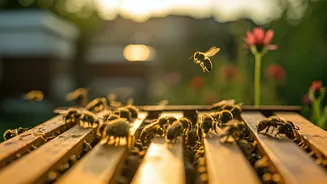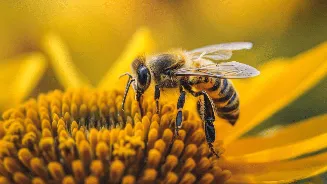









New Delhi: World Bee Day 2026 falls on 20 May, a global observance designed to raise awareness of the crucial role bees and other pollinators play in our
food systems, biodiversity and healthy ecosystems. Bees contribute directly to the pollination of many fruits, vegetables, nuts and forage crops that underpin food security and nutrition worldwide, and they also support wild plant reproduction and healthy habitats that sequester carbon and stabilise landscapes. That essential ecological service is under pressure from habitat loss, intensive agriculture, pesticide use and climate change, which together have caused declines in many pollinator populations — a reality World Bee Day seeks to highlight and reverse through public education, policy attention and sustainable beekeeping practices.
In 2026, the awareness around pollinators is more important than ever as climate change, habitat loss, and pesticide use continue to threaten bee populations worldwide. Beyond their environmental contribution, bee colonies also offer fascinating lessons in teamwork, leadership, communication, and productivity, making them a powerful example for modern workplaces and organisations.
World Bee Day 2026 date
World Bee Day 2026 will be celebrated on 20 May 2026. The day is observed annually to raise awareness about the importance of bees and other pollinators in supporting biodiversity, food production, and environmental sustainability. The date marks the birthday of Anton Janša, a pioneer of modern beekeeping from Slovenia, who greatly contributed to beekeeping techniques in the 18th century.
History and significance of World Bee Day
The idea of World Bee Day was first proposed by Slovenia, a country known for its strong beekeeping tradition and deep respect for honeybees. In December 2017, the United Nations General Assembly officially proclaimed 20 May as World Bee Day. Since then, the day has been celebrated annually across the world through awareness campaigns, educational programmes, environmental activities, and community events focused on pollinator conservation.
The significance of World Bee Day goes far beyond beekeeping. Bees are among the most important pollinators on Earth, contributing directly to food production and ecological balance. Crops such as apples, almonds, berries, cucumbers, and coffee rely heavily on pollination by bees. Without healthy bee populations, global food systems could face severe challenges, including lower crop yields and reduced biodiversity. The day also encourages sustainable farming practices and reminds people of the close relationship between humans and nature.
Things human teams can learn from bee colonies
1. Teamwork creates stronger results
Bee colonies survive because every bee works towards a common goal rather than focusing only on individual success. Human teams can achieve greater success when employees collaborate openly, support one another, and prioritise shared goals over personal competition within the workplace.
2. Clear communication improves efficiency
Bees communicate through movements known as the “waggle dance”, which helps them share information about food sources and directions. This simple but effective communication system prevents confusion and saves time. Human teams can learn the importance of transparent communication, regular updates, and sharing information clearly so everyone remains aligned and productive.
3. Every role matters in a team
Inside a bee colony, each bee has a specific responsibility that contributes to the survival of the hive. Some bees gather food, while others clean, guard, or maintain the hive structure. Human organisations also function better when every team member understands their role, values their contribution, and respects the importance of others within the team.
4. Adaptability helps teams survive challenges
Bee colonies constantly adapt to changing weather conditions, food availability, and environmental threats. Human teams can also benefit from being adaptable, flexible, and open to change, especially during difficult situations, market shifts, or unexpected business challenges.
5. Leadership is about supporting the community
Although queen bees are central to the colony, the hive functions through collective effort rather than strict control. Human leaders can learn that effective leadership is not about authority alone but about supporting, guiding, and empowering team members to perform their best.
6. Consistency and discipline lead to long-term success
Bees perform their tasks with remarkable consistency every single day. Their disciplined routine allows the colony to grow, store food, and function efficiently throughout different seasons. Human teams can learn that steady effort, reliability, and discipline are often more valuable than occasional bursts of productivity when aiming for sustainable long-term success.
World Bee Day 2026 is an important reminder of the crucial role bees play in protecting ecosystems, agriculture, and global food security. World Bee Day encourages people not only to protect pollinators but also to appreciate the incredible wisdom nature provides for building stronger and more collaborative human communities.