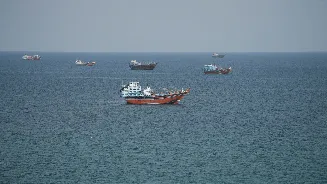








New Delhi: Iran is reportedly preparing to send a convoy of more than 14 oil tankers through the US naval blockade in a move that could trigger a fresh
confrontation with Washington.
The tankers have reportedly gathered near Kharg Island, Iran’s main oil export terminal. Satellite imagery and ship-tracking data suggest that the vessels have been assigned crews and are flying Iranian flags ahead of a possible voyage towards the Sea of Oman.
A new plan
The proposed operation has been called Fereydun, after a mythical Persian hero from the epic Shahnameh. Iran’s Revolutionary Guards-affiliated Fars News Agency published a commentary suggesting that Tehran should send a group of tankers through the American blockade.
The proposal also warned that any American attempt to stop or seize the vessels could lead to Iranian strikes on energy infrastructure across the Gulf.
Iranian media reports have specifically mentioned oil facilities in the United Arab Emirates, Saudi Arabia, Qatar, Kuwait, Oman and Bahrain as potential targets.
However, Iran has not officially announced a tanker convoy operation. The reported preparations and threats have so far emerged through Iranian media outlets and satellite-tracking reports.
Why does Kharg Island matter, and what is at stake?
Kharg Island is strategically important to Iran’s economy as it handles around 85-90 per cent of the country’s crude oil exports. The US naval blockade has restricted Tehran’s ability to ship oil to international markets, putting further pressure on its finances.
The reported tanker preparations come amid efforts by Iran to resume exports, particularly to Asian markets such as China. Reports have also pointed to a recent ship-to-ship transfer of Iranian crude near Kharg Island, with vessels reportedly switching off their tracking systems to conceal the movement.
Washington has meanwhile tightened enforcement of its blockade. The US Central Command has expanded restrictions to include ship-to-ship oil transfers and warned that vessels involved in such operations could be stopped, boarded, diverted or seized.
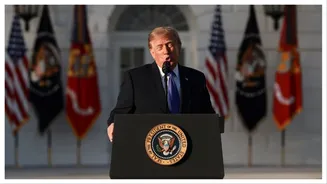
US President Donald Trump has also warned that Iranian vessels attempting to breach the blockade could face military action. The situation raises the possibility of a wider confrontation. If American forces attempt to stop the tankers, Iran’s threatened retaliation against Gulf energy infrastructure could put oil facilities and shipping routes across the region at risk.
Any escalation could also have implications for global oil supplies, given the importance of the Persian Gulf and the Strait of Hormuz to international energy trade.