




New Delhi: US Vice President JD Vance has said Iran must significantly reduce its nuclear enrichment capacity if it wants to end the ongoing war with the United
States, according to an exclusive interview he gave to Reuters.
Vance also said that Washington would not accept promises of future nuclear restrictions and instead wanted Iran to take concrete steps to reduce its enrichment programme. The US vice president has emerged as one of the key figures involved in efforts to negotiate an end to the conflict.
“If you don’t want a nuclear weapon, then why do you need 60% enriched fuel?” Vance told Reuters, questioning Iran’s continued production of highly enriched uranium. He added that Tehran would need to demonstrate its commitment through an actual reduction in enrichment activity. “They would do something meaningful on their enrichment capacity,” Vance said.
Vance says US wants action, not assurances from Iran
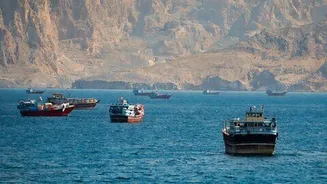
The comments come as Washington and Tehran have exchanged proposals in recent weeks aimed at ending the war and reopening the Strait of Hormuz, a crucial route for global energy shipments.
US President Donald Trump has rejected Iran’s latest proposal and has warned that American military operations could intensify after the November midterm elections. The conflict has also pushed up energy prices and created growing political pressure on the Trump administration and Republicans ahead of the elections.
Vance told Reuters that the US remained open to a diplomatic settlement but would not accept an agreement based only on Iranian assurances. “We’re not going to trade words for actions,” he said.
Vance, who has previously been sceptical of prolonged US military involvement overseas, has played a prominent role in efforts to negotiate an end to the conflict. Reuters reported that he had earlier helped broker a provisional peace agreement, but that arrangement subsequently collapsed.
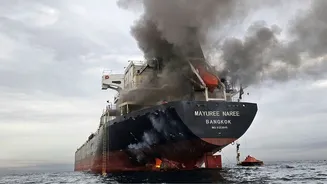
The war has now entered its seventh month and has disrupted global energy markets, particularly because of continued tensions around the Strait of Hormuz.
Washington says Iran’s decision-making remains unclear
Another complication, according to Vance, is uncertainty in Washington over who ultimately has authority over major decisions in Tehran.
The US is in contact with Iranian President Masoud Pezeshkian and Foreign Minister Abbas Araqchi, but Vance said it remained unclear how much influence they exercise within Iran’s broader power structure following the death of Supreme Leader Ayatollah Ali Khamenei in US-Israeli strikes at the beginning of the conflict.acked up on is it’s not totally clear how their country makes decisions,” Vance told Reuters. Iran has rejected that assessment. Foreign Ministry spokesperson Esmaeil Baghaei said the issue was not a lack of clarity over Iran’s political system but what he described as contradictory positions and mixed messaging from US officials.
Meanwhile, Vance said the Trump administration continued to assess the military situation and remained involved in diplomatic efforts. He also said Iran’s ability to disrupt energy shipments through the Strait of Hormuz was limited, despite periodic attacks on commercial vessels.