





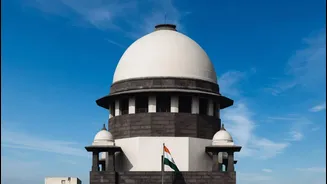
New Delhi: The Supreme Court on Thursday ruled that the Bar Council of India has no statutory authority to discipline law students or tell universities
how to handle their conduct.
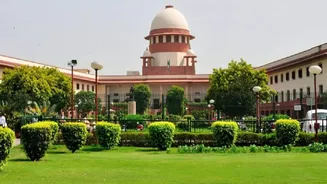
A bench headed by Chief Justice of India Surya Kant quashed the BCI’s communications seeking action against students from the 2026 graduating batch of NALSAR University of Law, Hyderabad. The bench said only the university or educational institution concerned could exercise disciplinary control over its students.
BCI orders quashed
The bench, which also included Justices Joymalya Bagchi and V Mohana, said the Advocates Act, 1961, did not give the BCI any express or implied power to take action against law students. The court said the BCI could prescribe and enforce legal education standards under the law and relevant regulations. However, “it cannot, however, take disciplinary action against a law student.”
The bench declared the BCI’s August 13 communication and its later modified directions “without jurisdiction”. It also made permanent its earlier interim order that barred the BCI and state bar councils from taking punitive or criminal action against NALSAR students and faculty members.
Students challenged intervention
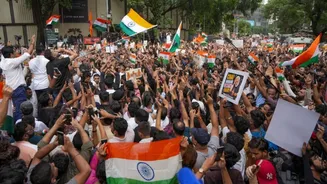
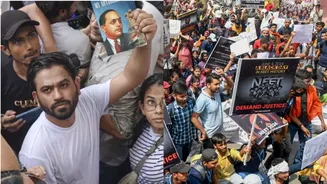
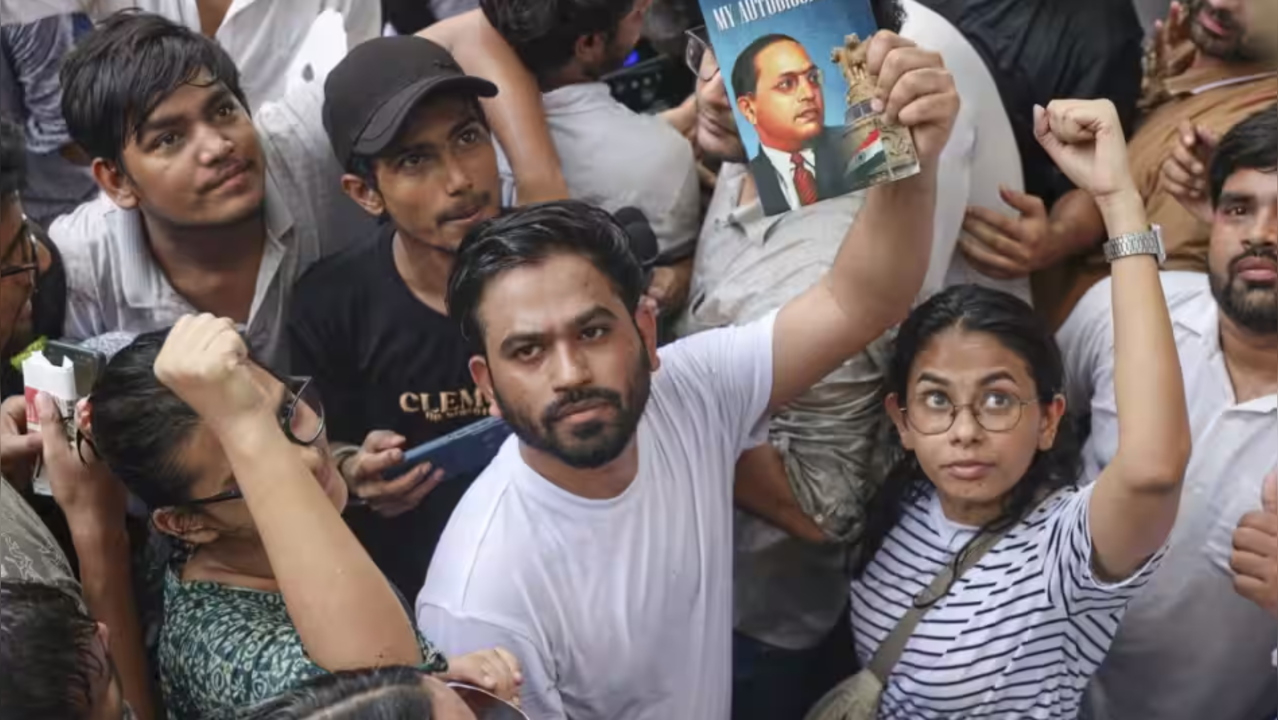
Mihira Sood filed the petition through senior advocate K Parameshwar after the BCI intervened in protests by NALSAR students over the invitation to CJI Kant as the chief guest at their convocation. The BCI initially directed state bar councils not to enrol the university’s 2026 graduates “till further orders”. It also sought an authenticated report from NALSAR identifying students who initiated, organised or coordinated the protest campaign.
The Council later said the “vast majority” of students were innocent but retained an inquiry into allegations involving some teachers and outsiders. It eventually withdrew all its communications. Parameshwar argued that the case raised a larger question about the BCI’s power to regulate student conduct and academic freedom before enrolment. He also questioned its authority to direct a university to investigate representations submitted by students.
Students and advocates
The bench accepted the argument and drew a clear distinction between law students and enrolled advocates. “As far as the conduct of law students is concerned, the Bar Council of India has neither jurisdiction nor statutory competence. That falls exclusively within the domain of the educational institution or university. There cannot be any dispute about that,” the court said.
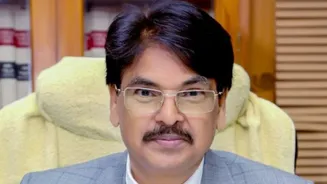
BCI chairman and senior advocate Manan Kumar Mishra told the court that the Council had withdrawn its directions before authorities implemented them. “The Council, in its meeting, has said that there is nothing further and that everything has been resolved,” Mishra said.
The bench said the withdrawal did not resolve the wider question of jurisdiction. It said the BCI’s role begins when a law graduate applies for enrolment as an advocate.
“If a law student commits an act involving moral turpitude” and the university allows the student to complete the course, the BCI can examine the matter during enrolment, the bench said. However, it cannot declare in advance that the student will not receive enrolment after graduation.
Court scrutinises BCI
The ruling came a day after the Supreme Court placed the BCI under tighter oversight. It directed that the Attorney General for India and the Solicitor General be “actively associated” with every policy decision until fresh elections reconstitute the Council. The court also said Mishra’s continuance as BCI chairman could not extend until 2030. It observed that he appeared to hold the position only “pro tem” until a newly constituted Council elected its office-bearers.
NALSAR row explained
The dispute began after a section of NALSAR students opposed the invitation to CJI Kant for their convocation. Seventy members of the outgoing LLB batch submitted a representation on July 23. Students from other batches later expressed support. They referred to remarks made by the CJI during proceedings related to alleged police excesses at student protests in Delhi.
On August 14, the Supreme Court said the BCI had “no business” interfering with the students’ right to protest. The BCI later withdrew its directions, while Mishra apologised for any hurt caused to the students by his words or the Council’s actions.