






New Delhi: Sawan 2026 begins on July 30, bringing devotees closer to Lord Shiva through fasting, prayers and traditional rituals. Many devotees undertake
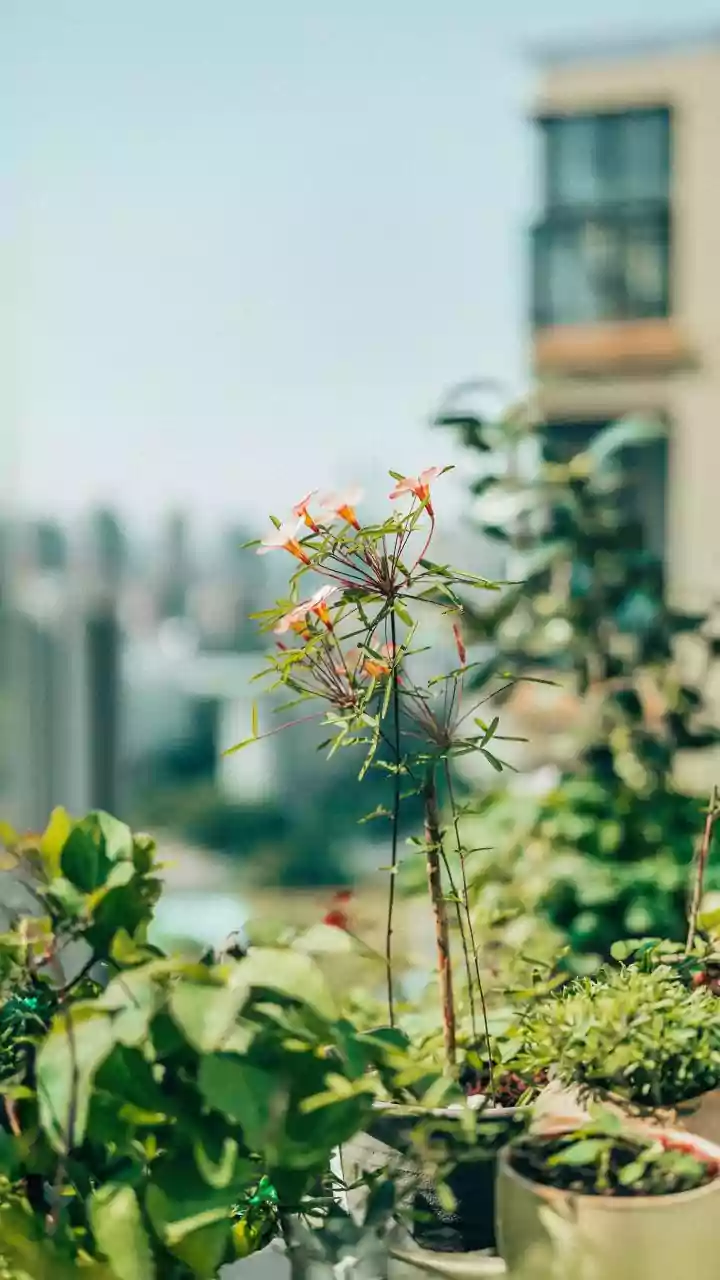
the Kanwar Yatra, while others observe Monday fasts and offer water, milk, Belpatra and flowers to the Shivling at home. Plants associated with Shiva worship can also become part of the festive setting. Several of these can be grown in a balcony, terrace or open space around the house, adding greenery while keeping religious traditions alive.
Champa, Shami, Belpatra and Kaner are among the plants and flowers traditionally associated with Shiva worship. Their care also varies, so choosing the right spot at home is important for healthy growth. Here are the best plants you can consider growing during Sawan, along with simple care tips for keeping them thriving through the season.
Plants to grow during Sawan
Shami
Shami holds an important place in traditional worship, with its leaves also offered to Lord Shiva. The plant is associated with several medicinal uses and is traditionally believed to bring positive energy when grown at home Since Shami is adapted to dry, sunny conditions, avoid placing it in a shaded corner. A terrace or balcony receiving full sunlight can provide better growing conditions.
Belpatra
Belpatra is closely associated with Lord Shiva, and offering its leaves is considered an important part of Shiva worship. The three leaflets are traditionally linked with Shiva’s three eyes. The plant also has a long association with Ayurveda. A Bel plant can be grown in an open area outside the house or in a large grow bag on a balcony. It grows slowly but needs adequate room, so avoid placing it in a cramped corner.
Kaner
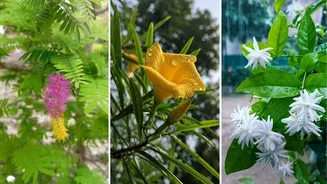
Kaner produces attractive yellow and white flowers that are commonly used in Shiva worship. It is traditionally associated with peace and positivity and can also add colour to an open balcony or terrace. The plant thrives in sunlight, so choose a bright outdoor location. However, Kaner requires caution because its milky sap is poisonous. Keep the plant away from children and pets and avoid direct contact with the sap.
Aak
Aak is also known as Madar. It needs plenty of sunlight and well-drained soil rather than frequent watering. However, Aak produces a milky latex that can irritate the skin and eyes and should not be consumed. Keep the plant away from children and pets and wash your hands after handling it.
Jasmine
Place it where it receives several hours of sunlight and provide a support if growing a climbing variety. Water when the soil begins to dry, while avoiding waterlogging. Its fragrance also makes it a pleasant addition to a balcony, courtyard or prayer area.
Juhi
Juhi is a fragrant flowering plant from the jasmine family and is valued for its small, delicate white flowers. The plant grows best in a warm, sunny location with well-drained soil. It can be grown in a pot or container and benefits from regular pruning to encourage fresh growth. Water it moderately and avoid keeping its roots constantly wet.
Bela
Bela, commonly known as mogra, is another fragrant flowering plant widely used in Indian religious and cultural practices. Bela grows well in warm weather and prefers bright sunlight, fertile soil and moderate watering. Regular pruning can help maintain its shape and encourage flowering.
Adding Shiva-associated plants to your home can bring greenery into the Sawan setting while giving devotees another way to connect their surroundings with the traditions of the holy month.