







New Delhi: We often assume our closest friends simply know how much they mean to us. But what if the way you’re expressing appreciation isn’t the way your
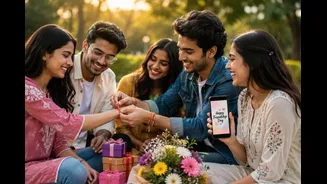
best friend actually experiences it? This Friendship Day, as millions across India celebrate the bonds that have stood the test of time, psychologists and relationship experts are shining a light on a simple yet powerful idea: just like romantic relationships, friendships flourish when people feel loved in the ways that matter most to them. The concept of “friendship love languages” is gaining traction, encouraging people to move beyond generic messages and gifts to gestures that make friends feel genuinely valued.
What are friendship love languages
The idea is inspired by author Gary Chapman’s widely known framework of the Five Love Languages, which suggests that people tend to express and receive affection in different ways. While the theory was originally developed for romantic relationships, therapists and relationship coaches increasingly acknowledge that the same principles can strengthen friendships, family bonds and workplace relationships, even though the framework itself has limitations and is not a formally validated psychological model.
The core message is simple: understanding how your friend feels appreciated can deepen emotional connection far more than expensive presents or grand gestures.
Five friendship love languages explained
1. Words of Affirmation: Say what you often leave unsaid
Some friends treasure heartfelt words above everything else.
They appreciate:
- Genuine compliments
- Thoughtful texts
- Voice notes checking in
- Birthday letters
- Public appreciation on special occasions
A simple “I’m grateful you’re in my life” or “You’ve always had my back” can leave a lasting impact.
2. Quality Time: Your presence matters more than presents
For many people, uninterrupted time together is the greatest gift.
This could mean:
- Weekend coffee dates
- Long drives
- Watching a favourite series together
- Phone-free conversations
- Annual reunion traditions
It’s less about the activity and more about giving someone your undivided attention.
3. Acts of Service: Showing up when it counts
Some friendships grow strongest through practical support.
Examples include:
- Helping someone move house
- Assisting during exams or work deadlines
- Bringing food when they’re unwell
- Picking them up from the airport
- Running errands during difficult times
These actions silently communicate, “I’m here for you.”
4. Receiving Gifts: It’s the thought, not the price tag
Contrary to popular belief, this love language isn’t about expensive gifts.
Meaningful gestures often matter more:
- A favourite chocolate
- A handwritten note
- A book they mentioned months ago
- Souvenirs from a holiday
- A friendship bracelet
The emotional value lies in remembering what matters to someone.
5. Physical Touch: Comfort through connection
For friends who are comfortable with physical affection, small gestures can communicate reassurance and warmth.
These may include:
- Hugs
- High-fives
- A reassuring pat on the shoulder
- Holding someone’s hand during emotional moments
As always, physical touch should be mutual, welcome and respectful of personal boundaries.
Why friendship love languages matter
Research consistently shows that strong friendships are closely linked with better mental health, lower stress, greater resilience and even improved physical health. People with meaningful social connections generally report higher levels of happiness and life satisfaction than those experiencing chronic loneliness.
Understanding a friend’s preferred way of receiving appreciation can also reduce misunderstandings.
For example:
- You may keep buying thoughtful gifts while your friend simply wants to spend more time together.
- You might send encouraging messages daily, while they feel most supported when you help them through practical challenges.
Recognising these differences can make friendships feel more authentic and emotionally fulfilling.
In India, Friendship Day is being celebrated on Sunday, August 2, 2026, following the long-standing tradition of observing it on the first Sunday of August. While the United Nations recognises International Day of Friendship on July 30, the August celebration remains the more widely observed occasion across India, marked by friendship bands, reunions, thoughtful messages and shared memories.
As social media fills with nostalgic posts and viral reels, experts suggest that the most meaningful celebration may be the simplest one: making your best friend feel understood in a way that resonates with them.
Because at the heart of every lasting friendship isn’t just saying, “Happy Friendship Day” – it’s making sure the other person truly feels it.