






OpenAI is giving businesses a new way to control how they appear inside ChatGPT. The company has launched Businesses in ChatGPT in beta, letting eligible
companies claim their business, update information and see how often people discover them through ChatGPT.
For a small business owner, the appeal is fairly obvious. If someone asks ChatGPT for a restaurant, software service, retailer or product recommendation, outdated prices or wrong business information can quickly become a problem. A claimed profile lets the business provide current details directly.
Read more: PS5 reaches 100 million milestone just days before GTA 6, see which consoles sold even more
How does ‘Businesses‘ in ChatGPT work?
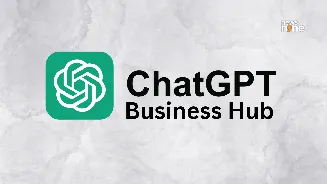
Owners can open Business Hub, search for their company and claim it. Verification can involve a phone number, business email, website domain or Shopify account. OpenAI may also ask for identity and business documents through Persona.
Once verified, businesses can update details such as their website, description, category, logo, delivery policy and return policy. Retailers can connect product feeds showing current prices and availability.
What analytics do businesses get?
Business Hub shows aggregated activity from the previous 28 days. This currently includes how often the business is mentioned, clicks to its website and “discovery topics”, meaning common themes in ChatGPT answers where the business appears.
Businesses do not receive individual user conversations or chat transcripts. OpenAI says the analytics are aggregated to protect user privacy.
Read more: Kang Wei and Alice Huang: The money, marriage questions and Jensen Huang controversy
Does this help content creators?
Potentially, but mainly if the creator operates a recognised business with a website. A creator selling courses, subscriptions, consulting, merchandise or other services could have a clearer reason to claim a profile.
This is not currently positioned as a replacement for a creator profile on Instagram, YouTube or X.
How much does it cost?
OpenAI has not announced a separate fee for simply claiming a business, updating its profile or viewing available Business Hub insights.
Advertising is separate. Businesses can run ChatGPT Ads and, where eligible, sponsor a Business Agent. Those campaigns have their own billing. Business Agents are initially limited to eligible ecommerce and online service businesses in the US.
How is this different from Google’s offering?
The closest comparison is actually a mix of Google Business Profile and Google Ads.
Claiming a ChatGPT business profile does not mean paying for higher placement. OpenAI says claimed businesses are not guaranteed better rankings, traffic or sales. ChatGPT can still make independent comparisons.
Google Ads is primarily a paid advertising system built around campaigns, keywords, audiences, clicks and conversions. Businesses in ChatGPT start with accurate business information and discovery analytics. Paid placements sit separately from ChatGPT’s answers.