






New Delhi: Yemen’s Houthi rebels on Saturday claimed a fresh wave of attacks on Saudi Arabia’s airports, oil facilities and military installations, escalating
tensions between the two sides amid renewed fighting in Yemen and the wider West Asia conflict.
Houthi military spokesperson Yahya Saree said the group targeted King Khalid International Airport in Riyadh, King Fahd International Airport in Dammam and an airport in Najran. The group also claimed attacks on a military airbase in Khamis Mushait.
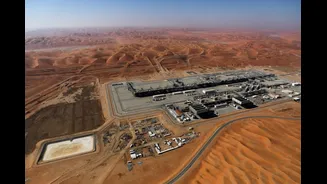
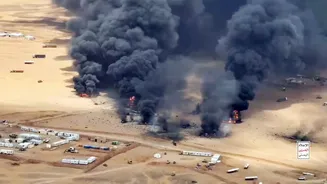
The Houthis named a Saudi Aramco facility in Yanbu, the Rabigh oil refinery, crude oil pumping stations and the East-West oil pipeline among their targets. Saudi authorities had not confirmed that the facilities were struck.
The Saudi-led coalition said it had intercepted two ballistic missiles heading towards Taif and Yanbu. Saudi Civil Defence also reported falling debris in the Mecca and Medina regions following missile interceptions.
Houthis deny targeting Mecca, Medina
The latest developments came after Saudi authorities reported debris falling in areas around the two holy cities following the interception of missiles. The Houthis denied deliberately targeting Mecca and Medina, with Saree describing such allegations as false.
Saudi authorities also issued brief safety warnings in several areas, including Mecca, Jeddah, Taif and Yanbu. The alerts were withdrawn after officials said the immediate threat had passed.
Separately, Yemen’s internationally recognised government said the Houthis fired three ballistic missiles at coast guard facilities in Aden, the country’s southern port city and the seat of its government. The missiles reportedly struck a coast guard headquarters and another building. The Houthis, however, said they had targeted Saudi-backed military positions and a naval base in Aden.
The latest claims followed repeated attacks on Saudi infrastructure in recent weeks. On October 21, an attack on King Fahd International Airport in Dammam killed a Saudi national and an Indian national and injured eight others, according to Saudi authorities.
Why Saudi oil facilities matter
The attacks come as fighting between Saudi-backed Yemeni government forces and the Houthis intensifies, reversing much of the relative calm that followed a United Nations-brokered truce in 2022.
Saudi Arabia backs Yemen’s internationally recognised government, while the Houthis control the capital, Sanaa. The Saudi-led coalition intervened in Yemen in 2015 against the group.
The conflict has also widened amid the US-Israeli war on Iran, raising concerns about the security of energy infrastructure and shipping routes across the region.
Saudi Arabia’s East-West pipeline is particularly important because it carries crude oil towards export terminals on the Red Sea coast. The route offers the kingdom an alternative to shipping oil through the Strait of Hormuz, where regional hostilities have disrupted maritime traffic.
The Houthis’ latest claims involving oil facilities, airports and military installations have therefore heightened concerns over the security of Saudi Arabia’s critical infrastructure. However, the extent of any damage from the reported attacks remained unclear.