







New Delhi: During Navratri vrat, devotees commonly replace regular grains with fasting-friendly ingredients such as kuttu flour, singhare flour, sama rice
and sabudana. Fruits, milk, curd, potatoes, nuts and sendha namak are also widely used in vrat meals. Traditional North Indian fasting rules generally exclude wheat, ordinary rice, pulses, onion, garlic and regular table salt, although permitted foods can differ between households.
Shardiya Navratri 2026 begins on October 11. Whether you plan to observe the fast for all nine days or on selected days, knowing which ingredients are traditionally allowed and which are avoided can help you plan your meals.
What Can You Eat During Navratri Fasting?
The following foods are commonly included in a traditional North Indian Navratri vrat diet.
| Food category | Vrat-friendly options |
| Fasting flours | Kuttu (buckwheat), singhara (water chestnut) and rajgira (amaranth) flour |
| Grain alternatives | Sama rice or samak |
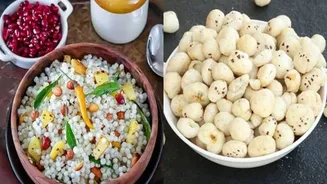
| Other fasting staples | Sabudana and makhana |
| Vegetables | Potato, sweet potato, pumpkin, bottle gourd and cucumber |
| Fruits | Banana, apple, papaya and seasonal fruits |
| Dairy | Milk, curd, paneer and ghee |
| Nuts and seeds | Almonds, cashews, peanuts and other commonly permitted nuts |
| Seasonings | Sendha namak, cumin, black pepper and fresh ginger, where permitted |
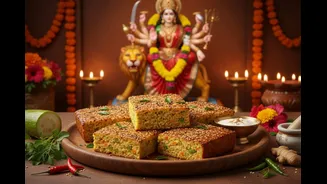
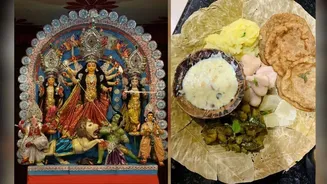
Popular vrat dishes include sabudana khichdi, kuttu puri, sama rice khichdi, roasted makhana, fruit bowls and potato preparations.
Sendha namak is commonly used instead of ordinary table salt. Check packaged ingredients carefully, as ready-made seasonings and snacks may contain ingredients that are unsuitable for your chosen fasting rules.
Which Foods Should You Avoid During Navratri Vrat?
For a traditional North Indian Navratri fast, the commonly restricted foods include:
- Regular grains: Wheat, ordinary rice, bread, pasta and foods made with conventional flour.
- Pulses and legumes: Dal, chickpeas, kidney beans and other regular pulses.
- Onion and garlic: Both are excluded in many traditional vrat diets.
- Ordinary table salt: Sendha namak is commonly used instead.
- Non-vegetarian foods: Meat, fish and eggs are excluded from the vegetarian diet traditionally followed during Navratri.
- Alcohol: Many devotees abstain from alcoholic drinks throughout the observance.
Some households also avoid particular vegetables, spices, packaged foods or ingredients that other families permit. Check the specific rules followed in your household rather than assuming every fasting list is identical.
Can You Eat Vegetables During Navratri Fasting?
Yes. Potatoes, sweet potatoes, pumpkin, bottle gourd and cucumber are commonly included in Navratri meals. However, vegetables such as spinach, carrots, tomatoes and other ingredients may be treated differently according to regional customs and the strictness of the fast.
If you are following a particular family or temple tradition, use its approved vegetable list. This is especially important when preparing food for several people who may observe different forms of vrat.
Is It Necessary to Fast for All Nine Days?
No. Some devotees observe a fast throughout Navratri, while others fast on the first and last days, on Ashtami or Navami, or on selected days according to their family practice and personal vow. Fasting may involve fruit and milk, one vrat meal, or a stricter form of abstinence.
Choose your fasting routine before the festival begins and plan meals accordingly. Drink enough water unless a medical professional has advised otherwise, and avoid excessive reliance on deep-fried fasting foods.
People with diabetes, those who are pregnant or breastfeeding, and anyone managing a health condition should seek medical guidance before undertaking restrictive fasting.
Final Thoughts
Follow a consistent fasting practice that aligns with your religious tradition and health needs. Prepare meals with permitted ingredients, check labels on packaged foods and avoid assuming that a food allowed in one household is automatically acceptable in another.
The purpose of Navratri vrat is to express devotion through prayer, discipline and restraint. Understanding the food rules in advance allows devotees to observe the nine days with greater clarity and fewer last-minute doubts.
Written by: Tanya Singh of Astropatri.com. For feedback, please write to hello@astropatri.com.