






Kolkata: The US-Iran war has not only sent crude prices shooting through the roof, but data showed that the prices of benchmark Brent crude rose by as much
as 63%, which happens to be the steepest rise in the past 38 years. On the other hand, West Texas Intermediate prices jumped about 51% in March, which is the biggest gain since May 2020.
All major brokerages have said that the risk factors are heavily skewed towards an upside in the crude prices. They have raised the forecast of crude prices significantly for the rest of the year. These agencies include Morgan Stanley, Goldman Sachs, Standard Chartered, Macquarie, Barclays, JP Morgan and US Energy Information Administration. According to government figures, the Indian crude oil basket average price on March 27 stood at $121.15 per barrel.
Conflicting signals
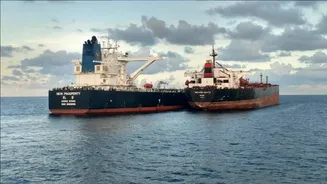
While there are growing indications that US president Donald Trump might step back and end the hostilities, Iranian leaders haven’t yet sounded any such intention in public. The Wall Street Journal reported earlier this week that Trump has told his aides that might end the conflict even if Iran does not immediately end the vessel restrictions through the Strait of Hormuz. To choke global energy supplies, Iran had completely closed the Strait of Hormuz to movement of ships and now is allowing only a few countries to send oil tankers.
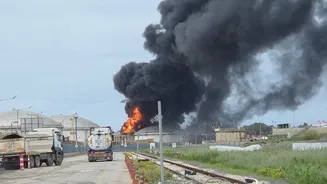
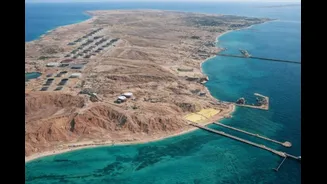
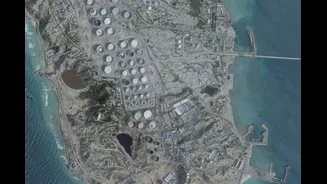
However, there are conflicting reports which say that Trump is also getting ready to sending the army to seize Kharg Island, a major fuel hub that facilitates 90% of Iran’s crude exports. But many have sounded a caution that US boots on the ground to control Kharg Island could lead to a number of loss of US lives and stretching the duration and cast of the war.
Worse than oil and gas shocks combined
How much has the strikes and counterstrikes in West Asia impacted the crude oil and gas markets in comparison to past supply shocks? Fatih Birol, executive director of International Energy Agency has said that it is worse than the oil shocks of the 1970s and the 2022 gas crisis put together. The numbers support Birol’s contention. In 1973, the first oil shock resulted in a loss of about 5 million barrels from the global supply and that in the 1979 shock was also 5 million barrels. While the two combined led to a combined crude output loss of 10 million barrels per days, the US-Iran war has removed more than 11 million barrels from global supply. The current crisis is a contribution of the disruption of crude oil supplies through the Strait of Hormuz, which handles about 20% of the global maritime movement of crude.
What happened in 1988
A storage tanker in North Sea met with an accident and it led to reduction in output in late 1988. British oil production was reduced by about 12% and it triggered apprehensions of supply in the Brent crude market. North Sea Brent blend was the most widely traded crude and it witnessed a steep price rise. Reports quoted traders who said the gains in Brent prices were stoked by fears of a shortage of the particular grade in the second half of January.
On the other hand WTI crude oil prices jumped about 88% in May 2020, one of the major reasons of which was a favourable base effect since in April prices collapsed to the negative territory. The recovery in May was prompted by coordinated global production cuts by the OPEC+ as well as demand rising after the pandemic lockdowns ended and the oversupply situation eased.