





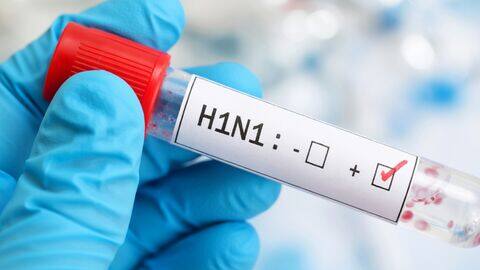
New Delhi: A sharp rise in seasonal influenza cases across India has put H1N1 back in focus, with the Indian Council of Medical Research (ICMR) saying
the strain accounts for about 98% of influenza cases tested through its surveillance network this season. Yet the message from health authorities is one of caution, not alarm: the virus currently circulating is a known seasonal strain, no unusual genetic shift has been detected, and there is no evidence of a new influenza threat.
ICMR Director General Dr Rajiv Bahl said the current rise is in line with the seasonal pattern normally seen in India, which typically records influenza peaks during the monsoon and winter months. He said surveillance had not detected anything outside the expected pattern, although the public should remain vigilant and follow preventive measures.
No new H1N1 strain detected
Genomic surveillance has identified the circulating virus as Influenza A(H1N1)pdm09, similar to the A/Missouri/11/2025 strain. According to the Union health ministry, the virus belongs to clade 6B.1A.5a2a, subclade D.3.1.1, and has been circulating in India since 2025.
ICMR said the genetic changes observed are consistent with the normal antigenic drift seen in seasonal influenza viruses. Such changes, by themselves, do not indicate the emergence of a new or more dangerous strain.
The current viruses are also well matched to the influenza vaccine strains recommended by the World Health Organization for the Northern Hemisphere, the health ministry said.
Delhi records 2,308 H1N1 infections
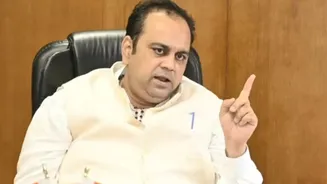
The rise is particularly visible in Delhi, where 2,308 H1N1 cases have been reported so far in 2026, out of around 3,000 influenza cases, according to Delhi health minister Pankaj Kumar Singh.
The Delhi government has reviewed hospital preparedness and said there is no shortage of doctors, staff or medicines. Isolation wards have been created in hospitals, while officials are strengthening surveillance, testing and public awareness measures.
The minister has also said there is currently no indication of an outbreak, epidemic or pandemic situation and urged people not to panic.
What makes H1N1 different this season
H1N1 is not a new virus. The A(H1N1)pdm09 lineage has been circulating as a seasonal influenza virus for years. What has changed this year is its predominance among the influenza viruses being detected.
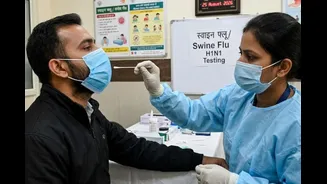
ICMR’s surveillance network includes 23 sentinel hospitals, while 73 laboratories under the Department of Health Research-ICMR network test samples from patients with influenza-like illness and severe acute respiratory infections. This system allows authorities to track which respiratory viruses are circulating and whether their behaviour or severity is changing.
Dr Bahl said that while infections have been rising, the number of severe cases requiring hospitalisation is not unusually high. Patients who do become seriously ill are often those with underlying medical conditions.
Who needs to be more careful
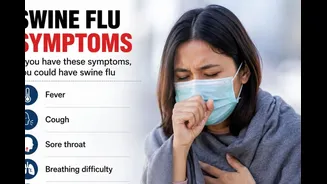
For most otherwise healthy people, seasonal influenza is a mild and self-limiting respiratory illness. Typical symptoms include fever, cough, sore throat, headache, body aches, fatigue and weakness.
However, the risk of complications is higher among older adults, young children, people with underlying medical conditions and those with weakened immunity. These groups should seek medical advice promptly if influenza-like symptoms develop.
Warning signs that warrant medical attention include persistent or worsening symptoms, breathing difficulty and other signs of severe illness.
What should people do
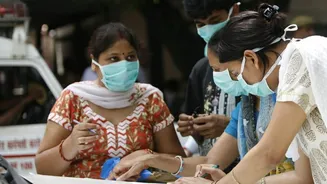
Health authorities recommend simple precautions: cover the mouth and nose while coughing or sneezing, wash hands frequently, avoid close contact with others when unwell, stay home during illness, get adequate rest and fluids, and seek medical advice if symptoms become severe or persistent.
The Centre has also cautioned against taking antivirals or antibiotics without medical advice.
For now, the evidence points to a strong seasonal H1N1 wave rather than the emergence of a new virus. But with infections still rising and ICMR saying the peak may not yet have arrived, continued surveillance and sensible precautions remain important.