






New Delhi: India has sent 62 tonnes of emergency aid to Nepal since deadly flash floods struck the Himalayan nation on Wednesday. It became the first major
country to physically deliver humanitarian assistance after the disaster. India completed three airlifts by Friday evening. Other countries and international organisations, including the United States and China, had announced or started mobilising support.
Prime Minister Narendra Modi spoke to Nepalese Prime Minister Balendra Shah within hours of the disaster. Modi conveyed his condolences and offered all possible humanitarian assistance. He said Indian teams had established close coordination for rescue and relief work.
The swift delivery strengthened India’s “first responder” role. India has also provided emergency assistance to Türkiye, Syria, Myanmar, Sri Lanka and Venezuela during previous disasters.
Third flight with assistance from India reaches Kathmandu.
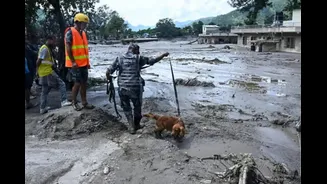
Relief supplies and an 11-member medical and tunnel rescue team are now on the ground.
🇮🇳🇳🇵 pic.twitter.com/7VAGVLKvdg
— Dr. S. Jaishankar (@DrSJaishankar) August 28, 2026
India sends supplies
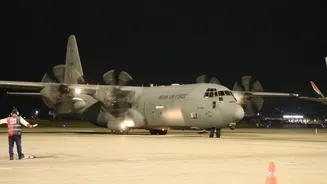
An Indian Air Force C-130J aircraft delivered the first consignment of 10 tonnes. It included temporary shelters, blankets, hygiene kits, solar lamps and medicines.
A C-17 aircraft carried another 37.5 tonnes. The consignment contained 28.5 tonnes of relief materials, eight tonnes of medicines and one tonne of food. A third flight carrying another 10 tonnes left for Kathmandu on Friday.
India has mainly provided physical supplies instead of announcing cash assistance, Hindustan Times reported.
Countries pledge funds
The UAE allocated USD 10 million through the UAE Aid Agency. The United Kingdom pledged GBP 5 million, or about USD 6.8 million, and deployed a Rapid Deployment Team.
Australia announced USD 5 million for relief agencies and locally led recovery work. South Korea and Sri Lanka each pledged USD 1 million. The United States committed USD 500,000 and decided to deploy a disaster-response adviser.
China committed emergency supplies and financial assistance. Chinese Ambassador Zhang Maoming said officials had completed coordination, but authorities were still working on the transfer mechanism.
Global agencies respond
The World Bank indicated that it could provide Nepal with up to Rs 25 billion, or about USD 163.55 million, for emergency response and recovery.
The UN Central Emergency Response Fund released USD 2.5 million. The International Federation of Red Cross and Red Crescent Societies released nearly CHF 1 million and launched a CHF 25 million appeal.
The World Health Organization sent medicines, tents and an emergency health kit. Médecins Sans Frontières also deployed an assessment team.
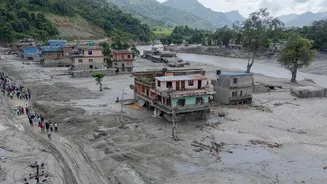
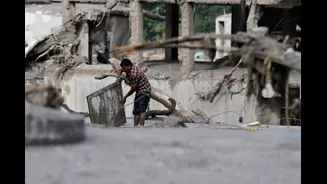
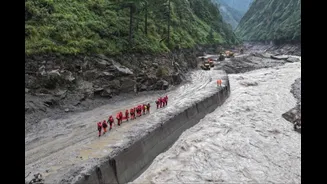
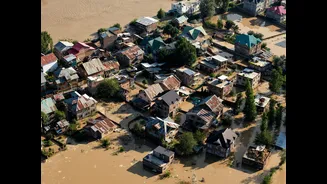
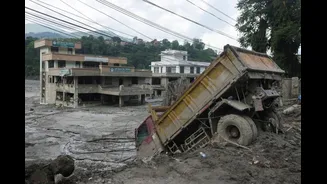
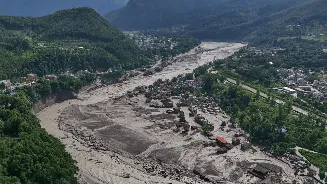
A suspected glacial collapse near the Nepal-China border triggered the August 26 floods. The disaster killed at least 579 people in Nepal and seven in Tibet. More than 1,900 people remained missing in Nepal, including at least 320 Indians and 100 people of Indian origin. Another 554 people remained unaccounted for in Tibet.