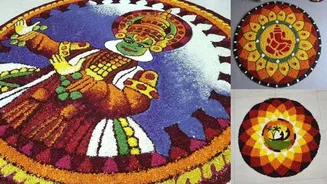


New Delhi: Onam arrives in Kerala with flowers at doorsteps, new clothes, family gatherings and, most importantly, the grand Onasadya. In 2026, Thiruvonam,
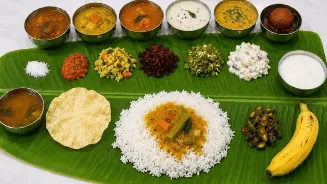
which is the main day of the festival, falls on Wednesday, August 26, according to the Kerala Government’s official 2026 diary. At the centre of the celebration is a spectacular vegetarian feast served on a fresh plantain leaf. While the number of dishes varies by household and region, Kerala Tourism notes that a Sadya can extend to about 28 dishes, and the meal is built around a carefully balanced combination of rice, curries, vegetables, pickles, savouries and desserts.
But what makes the Sadya fascinating is that the dishes are not simply assembled at random. Their contrasting flavours, textures and sequence turn lunch into a culinary tradition.
1. Parippu – the humble beginning
A simple lentil curry made with dal and finished with ghee, parippu is traditionally the first curry eaten with rice. Kerala Tourism identifies it as the dish that officially begins the feast. Its mild, creamy character provides a gentle introduction before the stronger flavours that follow.
2. Sambar – the hearty centrepiece
The familiar South Indian favourite takes its Sadya form with lentils, vegetables, tamarind and spices. It follows parippu and brings a deeper, tangier flavour to the rice. The exact vegetable combination can differ across homes and regions.
3. Avial – vegetables at their most iconic
Perhaps the most recognisable Sadya preparation, avial combines assorted vegetables with coconut and green chilli. A finishing touch of coconut oil and curry leaves gives it its distinctive aroma. It is a classic example of Kerala’s ability to turn seasonal produce into a sophisticated dish.
4. Olan – subtlety on the leaf
Where sambar is robust, olan is deliberately restrained. Traditionally prepared with vegetables such as ash gourd and pulses in coconut milk, it brings a mild, creamy contrast to the sharper curries.
5. Thoran – the coconut-flecked favourite
Thoran is a dry vegetable preparation cooked with grated coconut and spices. Beans, cabbage, radish and other vegetables may feature depending on the recipe. Its relatively dry texture adds another dimension to a leaf otherwise filled with gravies.
6. Erissery – earthy and comforting
Made with vegetables and pulses, often pumpkin and black-eyed peas, erissery is another coconut-rich Sadya staple. Its gently sweet and savoury character helps broaden the feast’s flavour spectrum.
7. Kaalan – the tangy, creamy counterpoint
Kaalan is a thick, yoghurt-based preparation traditionally made with vegetables or tubers, coconut and spices. Its sourness provides an important counterbalance to the sweeter and richer elements of the Sadya.
8. Pachadi – where sweet meets sour
Often prepared with ingredients such as pineapple or cucumber, pachadi combines yoghurt with coconut and seasoning. Depending on the recipe, it can lean sweet, sour or mildly spicy – another reminder that balance is central to the Sadya experience.
9. Puli Inji – a little punch of ginger
Known as inji puli, this ginger-and-tamarind preparation brings heat, sweetness and sourness in a concentrated spoonful. Alongside pickles, it cuts through the richer flavours of the meal and adds a sharp accent to the banana leaf. Kerala Tourism lists it among the traditional Onasadya accompaniments.
10. Payasam – the sweet finale
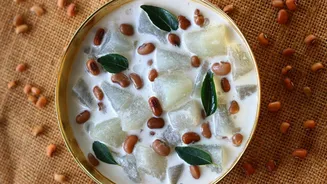
No Onam Sadya feels complete without payasam. Varieties can include ada pradhaman, parippu pradhaman, palada and semiya payasam, with households often serving more than one. Kerala Tourism notes that payasams may appear in succession during the feast, making dessert an event in itself.
The banana leaf itself is part of the tradition: it is traditionally positioned with its tapered end pointing to the diner’s left, while rice is served on the portion closest to the diner. The courses then arrive in a customary sequence.