





New Delhi: Kerala’s biggest festival will reach its grand finale with Thiruvonam on August 26. But why is the 10th day of Onam considered the most important,
and what is the significance of Thiruvonam?
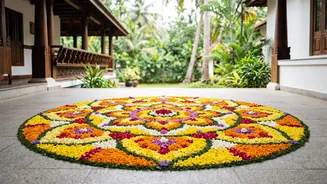
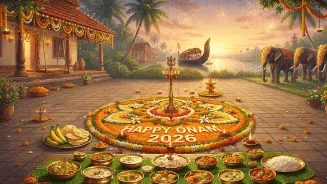
As Kerala prepares to celebrate Onam 2026, the festivities will culminate on Wednesday, August 26, with Thiruvonam, the most significant day of the 10-day festival. Homes will be decorated with colourful pookalams, families will gather for the traditional Onasadya, and communities will come together to celebrate a festival deeply woven into Kerala’s cultural identity. More than the conclusion of Onam, Thiruvonam is regarded as the day that brings together the festival’s central themes of prosperity, abundance, hospitality and the legendary return of King Mahabali.
Onam 2026: When is Thiruvonam
Thiruvonam falls on August 26, 2026. The date is determined by the Malayalam solar calendar and the occurrence of the Thiruvonam nakshatra, known as Shravana in other Hindu calendars, during the month of Chingam. In 2026, the Thiruvonam nakshatra begins on the night of August 25 and continues into August 27, with August 26 observed as Thiruvonam.
The celebrations traditionally begin with Atham, the first of the 10 days, and build towards Thiruvonam, also known as Ponnonam – the day on which the festival reaches its peak.
Why is Thiruvonam the main day of Onam
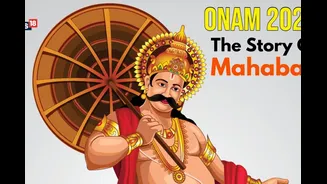
The central legend of Onam revolves around King Mahabali, a mythical ruler remembered in Kerala folklore as generous, just and deeply loved by his subjects. According to the traditional story, Mahabali’s growing power and popularity concerned the devas. Lord Vishnu appeared before him in the form of Vamana, a dwarf Brahmin, and asked for as much land as could be covered in three steps.
Mahabali agreed. Vamana then assumed a gigantic form and covered the earth and heavens in two strides. With nowhere left for the third, Mahabali offered his own head. Vishnu then sent him to the netherworld but, according to the legend, granted him permission to return once a year to visit his people.
Thiruvonam is traditionally associated with that annual homecoming. It is this belief that gives the day its distinctive emotional significance: families prepare to welcome Mahabali as they would an honoured guest returning home.
From pookalam to Onasadya: How Thiruvonam is celebrated
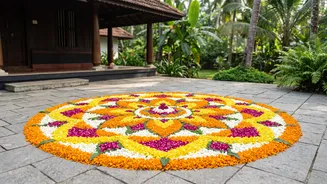
The symbolism of the day is reflected in its traditions. Homes are cleaned and decorated, while pookalams, elaborate floral arrangements, are created as a festive welcome.
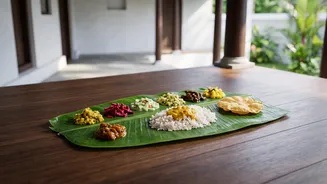
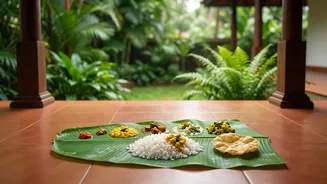
The biggest culinary tradition is the Onasadya, an elaborate vegetarian feast traditionally served on a banana leaf. Dishes such as avial, sambar and payasam form part of the feast, which represents abundance and communal sharing.
The days immediately before Thiruvonam also carry their own significance. Pooradam, the eighth day, traditionally involves placing figures representing Mahabali and Vamana at the centre of the pookalam. Uthradom, the ninth day, is associated with final preparations and gathering provisions before the main celebration.
Is Onam only a religious festival
While the Mahabali-Vamana legend is central to the festival’s mythology, Onam has a much wider cultural significance in Kerala. It is closely associated with the harvest season and the beginning of Chingam, the first month of the Malayalam calendar. Kerala Tourism describes Onam as a celebration shaped by both mythology and older agrarian traditions.
Its celebrations extend well beyond homes and temples, encompassing traditional performances, Vallamkali (snake boat races), Pulikali, Thiruvathirakali and other cultural events. The festival is widely celebrated across Kerala and has come to represent Malayali cultural identity across communities.
That is ultimately why Thiruvonam is the main day of Onam. It is the point at which the festival’s mythology, harvest traditions, food, family gatherings and cultural celebrations converge. For Malayalis in Kerala and around the world, August 26 is therefore not merely the 10th day of Onam – it is the day that embodies the spirit of the festival itself.