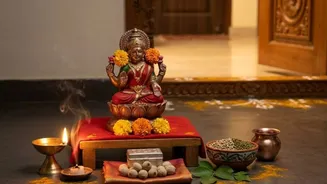







New Delhi: On Diwali evening, many Hindu families keep the main doors of their homes open or partially open while performing Lakshmi Puja. Along with lighting
diyas at the entrance, decorating the doorway with rangoli and placing flowers near the threshold, this practice is associated with welcoming Goddess Lakshmi into the household.
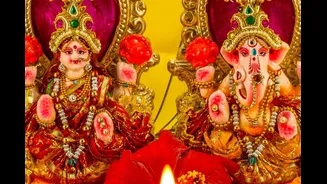
According to Hindu belief, Goddess Lakshmi visits homes on Diwali night and blesses devotees with wealth, prosperity and happiness. Keeping the entrance open is considered a symbolic invitation for the Goddess to enter and bless the family. However, the tradition also carries a deeper message about hospitality, generosity and the importance of keeping one’s home welcoming.
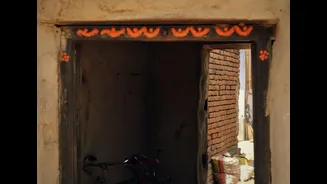
Why are main doors kept open during Lakshmi Puja?
The main entrance is traditionally considered an important point of entry for positive energy and good fortune. During Lakshmi Puja, an open doorway symbolises that the family is ready to welcome Goddess Lakshmi.
There are several beliefs associated with this practice:
Welcoming Goddess Lakshmi: An open entrance represents an invitation for the Goddess to visit the home and bless its residents.
Inviting prosperity: It symbolises the family’s hope for financial stability, new opportunities and abundance in the coming year.
Removing negativity: A clean and illuminated entrance represents the desire to leave behind difficulties and begin the new year with positive intentions.
Expressing devotion: Keeping the entrance welcoming reflects the family’s faith and readiness to receive divine blessings.
In several households, diyas are placed on both sides of the main entrance to illuminate the path and make the home welcoming.
Spiritual meaning behind this tradition
The practice of keeping doors open during Lakshmi Puja is also linked to the broader meaning of Diwali. The festival celebrates light, renewal and the hope of a prosperous beginning.
An open door can be understood as a symbol of openness in life. It reminds people to welcome good opportunities, share their resources and remain receptive to positive changes.
Goddess Lakshmi is associated with wealth, but her blessings are traditionally understood in a wider sense. Good health, happiness, knowledge, family harmony and contentment are also considered forms of prosperity.
Therefore, the ritual is not limited to inviting material wealth. It also reflects the wish for a balanced and fulfilling life.
Should all doors and windows be kept open during Lakshmi Puja?
There is no universal religious rule that requires every door and window to remain open throughout Lakshmi Puja. The custom generally refers to keeping the main entrance welcoming during the evening worship.
Some families keep the main door open until the puja is completed, while others leave it partially open or close it after the rituals. Household customs and regional traditions may differ.
For practical reasons, families should also consider their safety, especially in apartments and houses located near busy roads. An open main door is not a compulsory condition for receiving Goddess Lakshmi’s blessings.
What should you do at main entrance before Lakshmi Puja?
Traditionally, the entrance is cleaned and decorated before the evening worship. A few commonly followed practices include:
Clean the entrance: Remove dust, clutter and unwanted items from the main doorway.
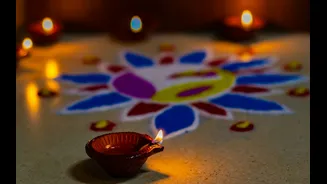
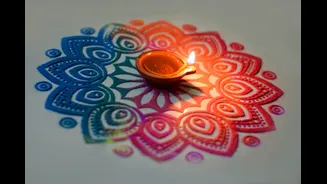
Make a rangoli: Create a simple rangoli using colours, rice flour or flower petals.
Light diyas: Place traditional oil lamps near the entrance to symbolise the victory of light over darkness.
Draw Lakshmi footprints: In many households, small footprints are drawn facing towards the inside of the home.
Decorate with flowers: Use marigold garlands or fresh flowers to make the entrance inviting.
These practices reflect the traditional belief that Goddess Lakshmi favours clean, peaceful and well-maintained surroundings.
Keeping the main entrance open during Lakshmi Puja is a symbolic Diwali tradition associated with welcoming Goddess Lakshmi and inviting prosperity into the household. While the practice is rooted in religious belief, it also represents hospitality, gratitude and openness to new beginnings. Families can follow their customs according to their comfort and safety, remembering that devotion and sincere prayers remain central to the celebration.
(Written by Tanya Singh. For feedback, please write to hello@astropatri.com)