




India’s satellite navigation system, NavIC, is preparing for a key mission next month. The Indian Space Research Organisation (ISRO) is reportedly planning
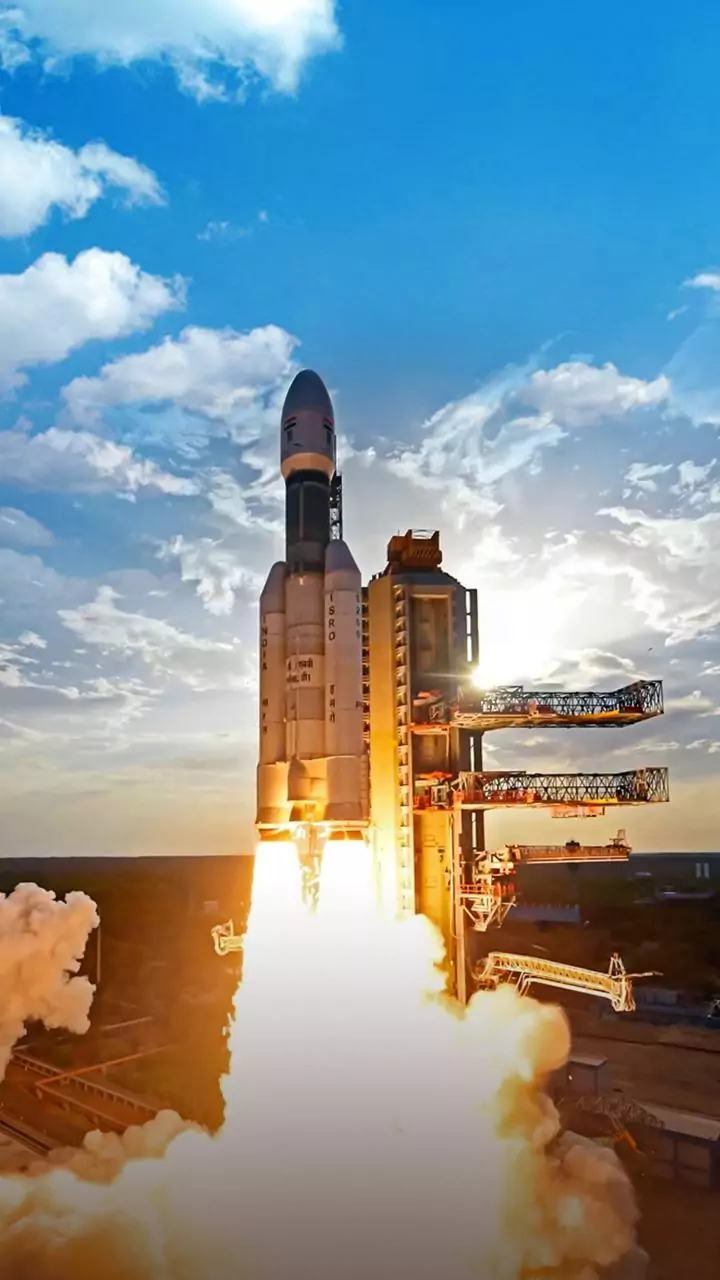
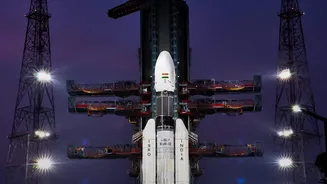
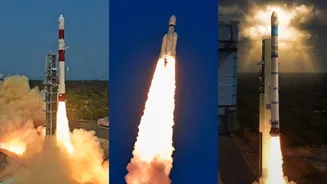
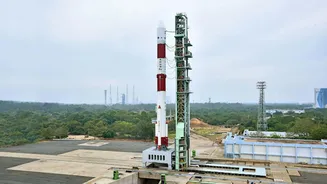
to launch the NVS-03 navigation satellite between October 15 and 20, 2026. The satellite is expected to lift off aboard the GSLV-F18 rocket from the Second Launch Pad at Sriharikota. The reported launch window is yet to receive official confirmation.
The mission could help restore NavIC’s ability to determine a user’s location independently. According to the reported mission details, only three satellites in the constellation are currently providing positioning, navigation and timing services. NVS-03 is intended to bring that number back to four, the minimum required for a satellite navigation system to calculate a three-dimensional position when receiver clock error is unknown.
Why is NVS-03 so important for India?
NavIC is India’s regional satellite navigation system. It provides location and timing information for applications such as transport, mapping and communication.
The system originally had seven satellites. Several have since stopped providing navigation services as they aged.
In a written reply to Parliament on July 29, the government confirmed that just three satellites remained capable of providing positioning services:
- IRNSS-1B
- IRNSS-1I
- NVS-01
The government said NavIC could no longer provide standalone positioning, though its timing service remained functional.
What happened to NVS-02?
ISRO launched NVS-02 in January 2025, but the satellite failed to reach its intended operational orbit after a propulsion system problem. It could not join the working navigation constellation.
NVS-03 is now expected to address the shortage.
A navigation receiver generally needs signals from at least four satellites to calculate its position and correct its internal clock. With only three working satellites, NavIC cannot provide standalone positioning.
If NVS-03 successfully reaches its assigned orbit and completes testing, the system could regain that capability.
What happens after the October launch?
The upcoming mission will mark the 20th flight of India’s Geosynchronous Satellite Launch Vehicle, following the GSLV-F17 mission on September 4.
ISRO is preparing two more navigation satellites, NVS-04 and NVS-05. In July, the government confirmed that both were in advanced stages of development.
These satellites are intended to help rebuild NavIC’s operational constellation.
The immediate focus remains NVS-03. A successful launch, followed by orbital placement and testing, could restore India’s ability to provide independent regional positioning services.