






New Delhi: The United States, Iran and Oman are nearing an interim agreement to reopen the strategically vital Strait of Hormuz, with officials targeting
an announcement as early as Wednesday, Axios reported on Tuesday, citing sources familiar with the negotiations. The proposed deal is intended to restore the ceasefire between Washington and Tehran while restarting talks over Iran’s nuclear programme.
60-day interim arrangement under discussion
According to Axios, negotiations have been underway for several weeks and centre on a temporary 60-day arrangement that could be extended if both sides continue to make progress. The agreement would facilitate the reopening of maritime traffic through the Strait of Hormuz, one of the world’s most important energy shipping routes, while creating space for renewed diplomatic engagement on Iran’s nuclear programme.
The report said a similar understanding had nearly been reached around three weeks ago but collapsed after Iran resumed attacks on commercial shipping, triggering another round of military confrontation. Since then, mediation efforts involving Oman, along with regional support from Qatar, Saudi Arabia and Pakistan, have helped revive negotiations, bringing both sides closer to a fresh breakthrough.
Talks offer hope after months of conflict
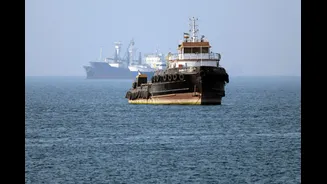
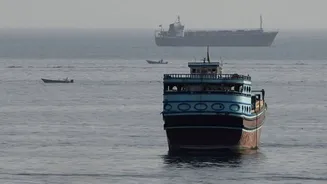
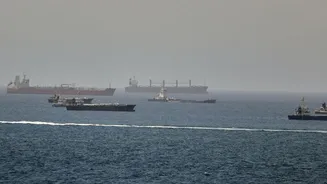
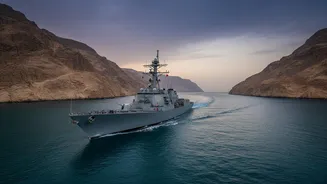
The latest diplomatic push comes after months of fighting between the United States and Iran that severely disrupted maritime trade in the Gulf. Iran’s restrictions on shipping through the Strait of Hormuz, coupled with US military operations and naval measures, fuelled concerns over global energy supplies and pushed up oil prices.
While military tensions remain high, recent statements from US officials and regional mediators have pointed to growing momentum towards a negotiated settlement. Shipping activity through the Gulf has remained limited but steady in anticipation of a possible breakthrough, while markets have reacted positively to reports that an agreement could reopen one of the world’s busiest oil transit routes and pave the way for broader negotiations over Iran’s nuclear programme and regional security.