




New Delhi: Janmashtami fasting is less about going without food for a day and more about observing the festival with discipline. Devotees who keep the vrat
traditionally prepare from the previous day, take a Sankalpa on Janmashtami and continue the fast through Krishna’s midnight birth celebration.
The exact rules differ between families and religious traditions, so the method you follow should be consistent with your practice.
How to observe the Janmashtami Vrat
The preparation begins a day before Janmashtami. Devotees traditionally have one meal on the previous day. On the festival morning, they complete their usual rituals, take a bath and make a Sankalpa, or a conscious resolve, to observe the fast.
The fast then continues through the day and into the night.
For many devotees, the most meaningful part is the wait for midnight. Krishna’s birth is worshipped during Nishita Kaal, so the vrat is traditionally maintained until the appropriate Parana time.
What can you eat during the fast
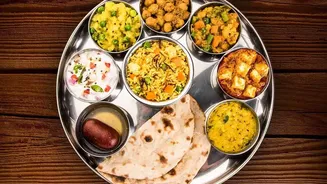
A key rule is to avoid grains during Janmashtami fasting. The fasting discipline broadly follows restrictions associated with Ekadashi observance.
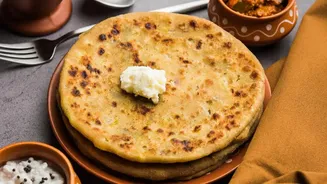
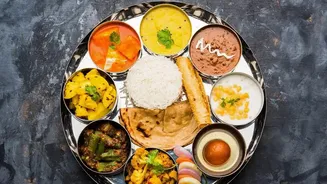
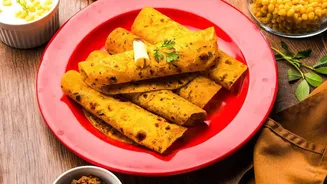
What a devotee eats otherwise depends on the tradition being followed. Some people observe a complete fast, while others take permitted fasting foods.
There is no need to turn the vrat into a test of physical endurance. People who have health concerns, take regular medication, are elderly, pregnant or otherwise unable to undertake a strict fast should follow an appropriate practice suited to their circumstances.
Janmashtami Vrat Vidhi
A simple traditional sequence is:
- Take a morning bath and wear clean clothes.
- Complete your morning prayers and take the Sankalpa for the fast.
- Observe the fast according to your family or religious tradition.
- Avoid grains throughout the fasting period.
- Spend time in Krishna bhakti, prayer, naam japa or devotional reading.
- Prepare for the midnight Puja during Nishita Kaal.
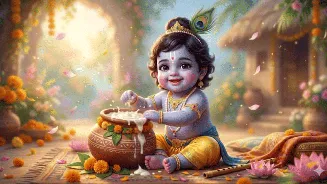
- Worship Krishna with the prescribed rituals and welcome the birth of Bal Gopal.
- Break the fast at the appropriate Parana time according to the applicable Panchang and tradition.
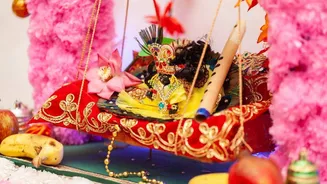
The midnight Puja is the heart of observance. Devotees often decorate the place of worship, prepare the Krishna idol and stay awake for the birth celebration.
When should the Janmashtami fast be broken
This is where Janmashtami fasting differs from an ordinary day-long fast.
According to the Panchang details provided for Noida in 2026, Ashtami Tithi ends at 12:13 AM on September 5, while Rohini Nakshatra ends at 11:04 PM on September 4. Since both have ended before sunrise, the Dharma Shastra-based Parana is given after 6:01 AM on September 5.
Some modern practices allow devotees to break the fast after Nishita Puja. For this calculation, the time is after 12:42 AM on September 5.
These two practices should not be mixed casually. The correct Parana depends on the tradition being followed.
Why is the midnight ritual so important
Janmashtami commemorates Krishna’s birth, and the festival’s central worship is therefore placed around the traditional midnight birth moment.
In 2026, the Nishita Puja Muhurat in Noida is from 11:57 PM to 12:42 AM. Devotees observing the vrat often remain awake until this period, complete the birth ceremony and then follow the Parana rule applicable to their tradition.
A Vrat should also be practised with restraint
The spirit of Janmashtami fasting lies in devotion, self-control and attention. A strict fast is not meaningful if it leaves a person unwell or unable to participate in worship.
Follow the vrat your family traditionally observes, keep the food restrictions clear and check the local Panchang before breaking the fast. The important thing is to observe the day with sincerity rather than treating the ritual as a race to endure hunger.
Janmashtami vrat is ultimately a day of faith, restraint and devotion. Follow your family tradition, observe the fast according to your capacity and break it at the prescribed time. What matters most is the sincerity with which you welcome Krishna on his birth celebration.
Written by: Tanya Singh of Astropatri.com. For feedback, please write to hello@astropatri.com.