




New Delhi: Bengali New Year 2026, which will be celebrated on April 15, brings back the tradition of Haal Khata. It is a 430-year-old custom in which Bengali traders
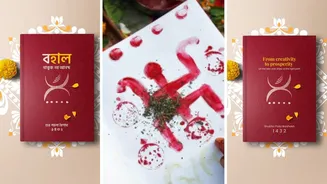
consider Poila Boishakh an auspicious time for Haal Khata, meaning a perfect day to open a new ledger. On this day, traders close previous account books and begin new ledgers wrapped in red cloth, a colour linked with good fortune and steady growth. The ceremony is more than a financial reset. Shopkeepers invite customers, exchange greetings, and serve sweets as a mark of gratitude and renewed trust.
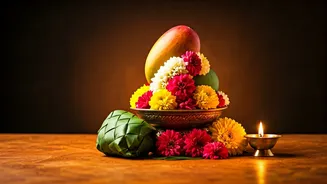
Many begin the day with prayers to Goddess Lakshmi and Lord Ganesh, seeking stability and success in trade. Homes echo the same spirit of order and hope, as families clean living spaces and decorate floors with alpana. Across West Bengal, Bangladesh and Tripura, Haal Khata reflects discipline, faith and community bonding. The ritual stands firm in modern markets, reminding businesses that prosperity rests not only on numbers but also on relationships and shared goodwill built carefully over time. Here are the rituals associated with Haal Khata.
Bengali New Year Haal Khata rituals
Opening the red ledger
At the heart of Haal Khata lies the ceremonial opening of a fresh account book, often called the khero khata. Traders settle outstanding dues and record the first entry of the year with prayers and incense. The red cover signifies auspicious beginnings and financial stability.
Inviting valued customers
Shopkeepers personally invite regular clients to visit their stores. Guests are welcomed with mishti and tea, reinforcing trust and encouraging continued association in the year ahead. The gesture underlines mutual respect rather than mere transaction.
Lakshmi and Ganesh puja
Many business owners arrange a small puja before starting new entries. Goddess Lakshmi is revered for wealth and abundance, while Lord Ganesh is invoked to remove obstacles. The prayers seek smooth trade and ethical conduct.
Household preparations and attire
Families wake early, bathe, and wear traditional outfits. Women often choose red and white sarees, while men wear panjabi. Floors are decorated with alpana patterns drawn in rice paste, reflecting purity and welcome.
Mela, music and festive food
Boishakhi melas, cultural programmes and Rabindra Sangeet performances add vibrancy to the day. Tables feature ilish maach and panta bhat, dishes closely associated with the season and regional identity. In Tripura, Bengali-speaking communities observe Haal Khata alongside local customs, expressing cultural harmony.
Haal Khata endures because it unites faith, finance and fellowship. On Pohela Boishakh, a simple red ledger becomes a promise of honesty, renewal and shared progress for the year ahead.