







New Delhi: Monsoon markets are filled with colourful seasonal fruits, yet one small berry often gets overlooked despite its impressive nutritional value.
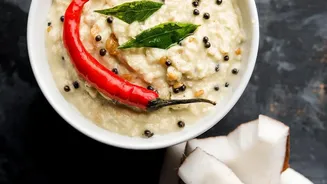
Karonda, a tart fruit that grows widely across India, has been used in regional cuisines and traditional wellness practices for generations. While many recognise it as the key ingredient in homemade pickles and chutneys, the berry offers much more than its distinctive tangy flavour.
Rich in vitamin C, iron, fibre and antioxidants, karonda can make a nutritious addition to a balanced diet during the rainy season. As interest grows in indigenous foods and seasonal eating, this hardy native fruit is gradually finding its way back into everyday conversations. It can be eaten fresh after ripening or transformed into preserves and relishes. Karonda combines taste, nutrition and culinary versatility in a way few seasonal berries can match. Here are the benefits of karonda.
Karonda benefits
Rich in essential nutrients
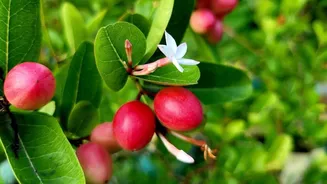
Scientifically known as Carissa carandas, karonda contains vitamin C, iron, calcium, phosphorus and dietary fibre. It is also a source of antioxidants such as anthocyanins and flavonoids, compounds that help protect the body’s cells from oxidative stress.
Supports iron absorption
One of karonda’s biggest nutritional advantages is the combination of vitamin C and iron. Vitamin C helps improve the body’s absorption of iron from food, making the berry a useful addition to meals for those looking to increase their dietary iron intake.
Aids digestive health
The berry’s fibre content supports healthy digestion, promotes satiety and contributes to overall gut health. Traditional Ayurvedic practices have also associated karonda with better digestion and improved appetite.
Different ways to enjoy
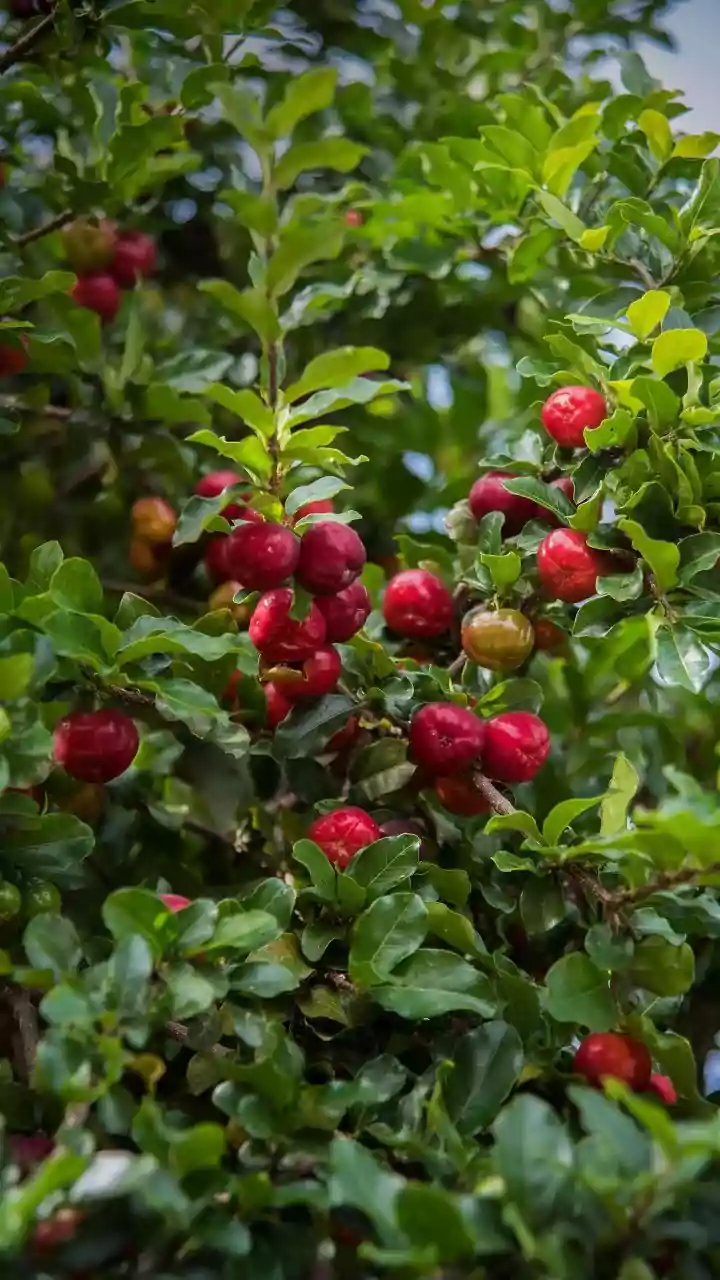
Karonda changes in flavour as it ripens. Young green or pink berries have a sharp, sour taste that makes them suitable for pickles, chutneys and relishes. As they mature into crimson or deep purple fruits, they become sweeter and can be used in jams, jellies, squashes, syrups, candies and desserts. Thanks to their naturally high pectin content, they also work well in homemade preserves.
Hardy native fruit
Karonda shrubs thrive in hot, dry conditions and grow well even in poor soils with limited water. Their resilience makes them an important crop in semi-arid regions, where they provide both seasonal produce and an additional source of income for farmers.
Seasonal fruits often receive attention only for a few weeks each year, but karonda stands out for combining nutrition, versatility and deep culinary roots. Including this native berry in your monsoon diet is a simple way to enjoy local produce while adding variety to your plate.