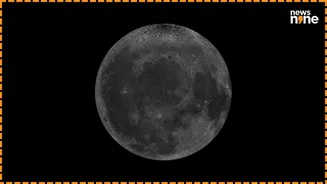

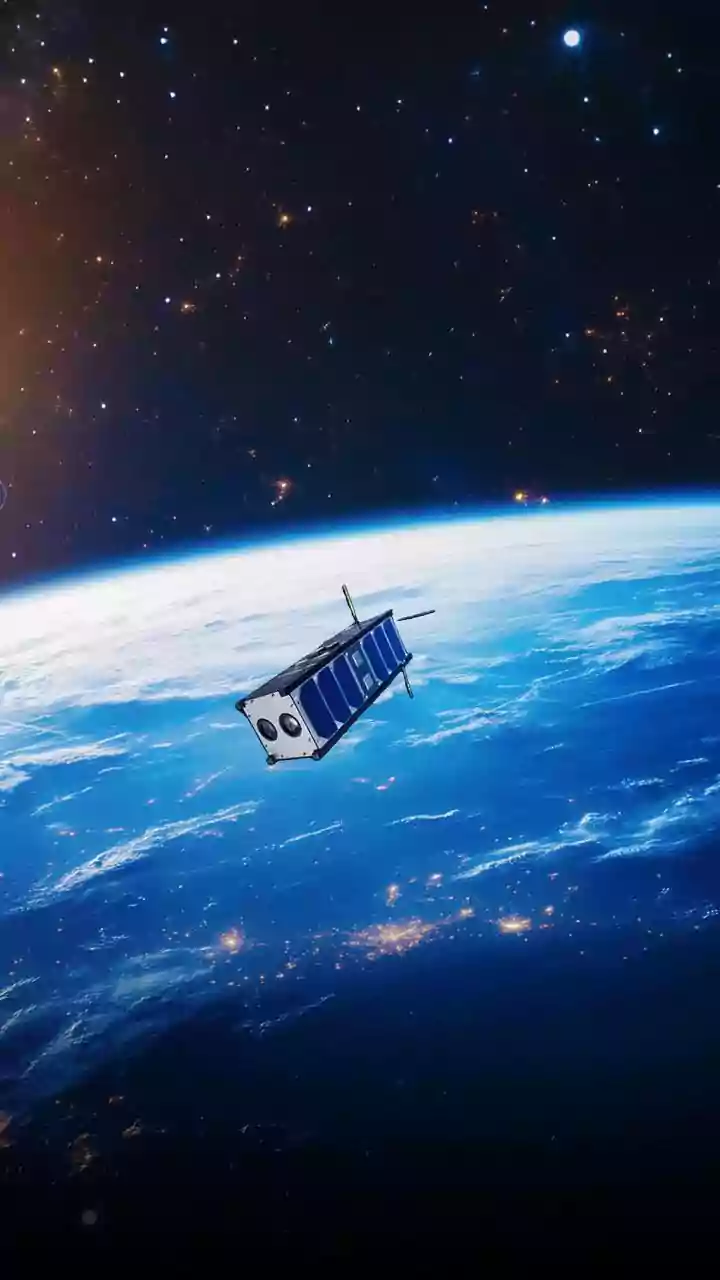




New Delhi: A discarded SpaceX Falcon 9 upper stage is expected to crash into the Moon on August 5, 2026, after spending more than a year drifting through
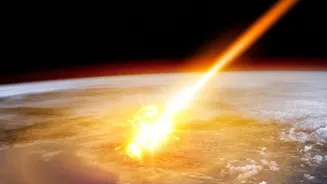
space. The rocket section, launched in January 2025 to carry lunar landers, will strike the Moon at around 5,400 mph, releasing energy comparable to about three tonnes of TNT.
Scientists say the impact poses no threat to Earth or future lunar missions. Rather, it provides the researchers a unique chance to understand the effects of impacts on the lunar surface and to refine models of lunar exploration.
How the rocket reached the Moon
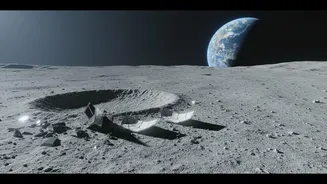
The upper stage of the Falcon 9 failed to return to Earth safely after its launch, while the booster safely returned to the Earth. The left-behind rocket’s orbit decayed over time, slowly drawing it closer and closer to the surface of the Moon. The researchers predict that the object will come down near the Einstein crater on the sunny side of the moon.
What Scientists Expect to Happen
The effect would cause a crater 27 metres in diameter and 5 metres deep, according to a study led by William Jo, a graduate researcher at the University of Texas at Austin. The impact will also make lunar dust and rock particles up to 75-100 kilometres high. While the exact result will depend on the brightness of the ejecta plume, Jo told Space.com that it may be possible to make scientific observations.
Will It Be Visible From Earth?
Researchers, including Benjamin Fernando of Los Alamos National Laboratory, said the impact flash may last less than a second and will likely be too faint to see with the naked eye. The plume, however, could be spotted for a few minutes from Earth and in space, The Guardian reports. Later, images from NASA’s Lunar Reconnaissance Orbiter will be taken of the impact site to compare the surface before and after the impact.
The effect is harmless to Earth as the Moon has no atmosphere, experts said. They note, however, that the event signifies that space debris is increasingly a problem and the need for more rigorous international regulations with more frequent lunar missions.