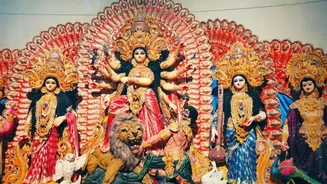




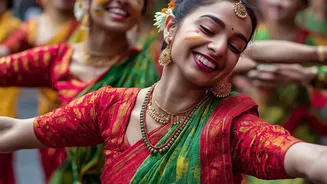

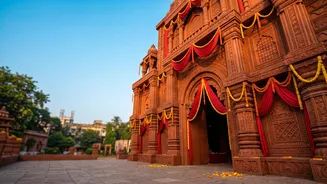
New Delhi: Durga Puja is celebrated across five principal days—Shashthi, Saptami, Ashtami, Navami and Dashami as devotees welcome Maa Durga, worship her
victory over Mahishasura and prepare for her emotional farewell. In Bengali tradition, the festival is more than a series of religious rituals. It brings together the story of the Goddess’s triumph over evil and the deeply cherished belief that she returns to Earth each year to visit her parental home.
In 2026, the main Durga Puja celebrations begin with Maha Shashthi on October 16 and conclude with Vijaya Dashami on October 21. Each day has its own rituals, symbolism and place in the larger story of the Goddess.
Why Is Durga Puja Celebrated for Five Days?
The five-day celebration draws meaning from two interconnected traditions.
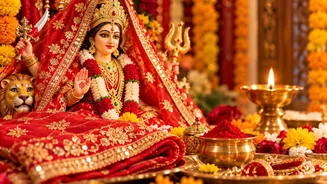
According to Hindu mythology, Mahishasura was a powerful demon whose growing strength threatened the gods. Unable to defeat him individually, the gods combined their divine energies to create Maa Durga. Armed with celestial weapons and riding a lion, the Goddess fought Mahishasura and ultimately defeated him. Her victory represents the triumph of divine strength over arrogance, injustice and destructive forces.
In Bengali culture, Maa Durga is also lovingly imagined as Uma, the daughter of Himavan and Menaka, returning to her parental home with her children—Lakshmi, Saraswati, Kartikeya and Ganesha. This image gives the festival its distinctive emotional character. The Goddess is revered as a powerful protector, yet her annual arrival is also celebrated like a beloved daughter’s homecoming.
Together, these traditions explain why Durga Puja combines elaborate worship, public celebration, family gatherings and the bittersweet feeling of farewell.
What Happens During Shashthi, Saptami, Ashtami, Navami and Dashami?
Maha Shashthi: Welcoming Maa Durga
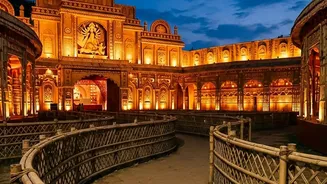
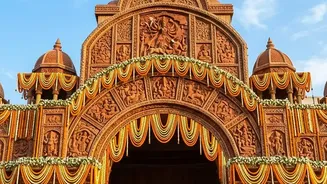
Shashthi marks the ceremonial welcome of the Goddess. Rituals such as Bodhon, Amantran and Adhivas are performed according to tradition, symbolising the invocation and welcome of Maa Durga. The unveiling of the idol at many pandals adds to the anticipation as the main festivities begin.
Maha Saptami: The Nabapatrika Ritual
Saptami is associated with the Nabapatrika ritual, in which a group of nine plants is ritually prepared and worshipped. The banana plant, known as Kolabou, is traditionally dressed in a sari. The ceremony reflects the connection between divine feminine energy, nature, fertility and the sustaining power of life.
Maha Ashtami: Pushpanjali and Sandhi Puja
Ashtami is among the most significant days of Durga Puja. Devotees offer Pushpanjali, presenting flowers while reciting sacred prayers. Kumari Puja is also observed in many traditions, with a young girl worshipped as a manifestation of the Goddess. Sandhi Puja takes place at the transition between Ashtami and Navami and holds special significance in the worship of Maa Durga.
Maha Navami: Worship and Celebration
Navami continues the worship with prayers, offerings and, in many communities, homa or havan. It is a day of devotion and celebration, as devotees honour the Goddess and reflect on the victory associated with her divine power.
Vijaya Dashami: The Farewell
Dashami marks the conclusion of the main celebrations. In Bengal, Sindoor Khela is a cherished tradition among married women in many communities, followed by the ceremonial immersion of the Durga idol. The farewell is accompanied by the heartfelt expression “Asche bochor abar hobe,” meaning “It will happen again next year.”
Why Does Durga Puja Feel Like Both a Celebration and a Farewell?
Durga Puja brings together two emotions that might seem opposite: the joy of welcoming Maa Durga and the sadness of watching her leave. The Goddess represents courage, protection, and the victory of good over evil, while her imagined return to her parental home makes the festival deeply personal.
That is what gives the five days their enduring significance. From Shashthi’s welcome to Dashami’s farewell, Durga Puja celebrates divine power, family bonds, cultural identity and the hope that Maa Durga will return the following year again.
Written by: Tanya Singh of Astropatri.com. For feedback, please write to hello@astropatri.com.