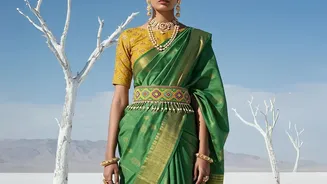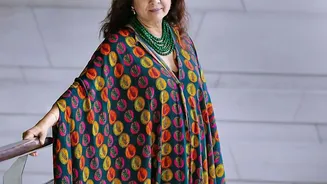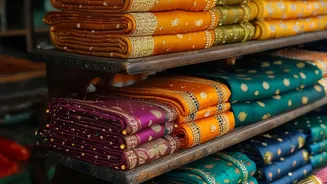





New Delhi: The handloom sari, stole or silk you choose for an Independence Day celebration may look like a style statement today, but some of India’s most
recognisable weaves carry stories of resistance. During the freedom struggle, indigenous fabrics were more than clothing. Choosing Indian-made textiles over British imports could become an economic protest, while spinning, weaving and wearing khadi reflected the larger call for self-reliance.
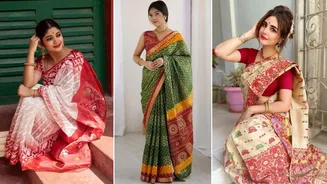
Across Bengal, Gujarat, Uttar Pradesh, Odisha, Assam and other regions, traditional weaves became closely linked with the Swadeshi movement, local livelihoods and the preservation of Indian craft. As India prepares to celebrate its 80th Independence Day on August 15, these textiles offer another way to look at the freedom movement. From khadi and Patola to Sambalpuri Ikat, Muga and Eri silk, each weave reveals a different connection between Indian craftsmanship and the struggle against colonial rule.
Handlooms that became part of India’s freedom story
West Bengal: Jamdani, Muslin and Baluchari
The Swadeshi movement gave Bengal’s traditional textiles a stronger political context. Jamdani and Muslin faced severe pressure under British rule as colonial policies favoured imported Manchester textiles. During the 1905 anti-partition movement, choosing indigenous cloth became a form of economic resistance.
Baluchari, meanwhile, remained a way of preserving Bengal’s distinctive textile traditions and cultural identity during colonial rule.
Gujarat: Khadi and Patola
No discussion of handlooms and India’s freedom movement is complete without khadi. Mahatma Gandhi promoted spinning and khadi as part of the wider campaign for self-reliance and resistance to the British textile monopoly. The charkha became a powerful symbol of the movement.
Patola, Gujarat’s renowned silk weave, also found a place in the Swadeshi spirit. Wealthy families chose indigenous luxury textiles over imported fabrics, turning their purchases into a visible expression of support for local production.
Rajasthan and Gujarat: Bandhani
Bandhani added colour to the visual culture of the freedom movement. Its vibrant naturally dyed fabrics, particularly in shades associated with saffron, red and green, appeared during protests and public gatherings. Traditional dress thus became another way for people to express support for Swaraj.
Uttar Pradesh: Banarasi brocade and khadi silk
Varanasi became an important centre of resistance to imported cloth, with freedom fighters participating in campaigns against foreign fabric. The growing preference for locally produced Banarasi silk among influential families also helped reinforce the Swadeshi message.
Khadi silk combined the political appeal of indigenous production with the craftsmanship of local weavers, while supporting livelihoods during the boycott of foreign goods.
Odisha: Sambalpuri Ikat and Maniabandha
In Odisha, traditional textiles became part of the cultural expression surrounding the freedom movement. Local poets and activists wore Sambalpuri Ikat at rallies, helping bring rural craft traditions into public demonstrations.
Maniabandha weaving communities also played a less visible role. Weaving cooperatives reportedly served as meeting points for activists, allowing political discussions to take place under the cover of ordinary trade activities.
Assam: Muga and Eri silk
Assam’s indigenous silk traditions also became associated with the Swadeshi movement. Muga and Eri silk gained greater prominence as people responded to calls to reject foreign clothing and support local production.
Mahatma Gandhi praised Assamese women for “weaving dreams on their looms”, recognising the importance of their weaving traditions and contribution to the wider movement.
The stories of these textiles show how Indian communities used clothing, weaving and local production to challenge colonial economic policies and preserve cultural identity. On Independence Day 2026, wearing or showcasing such handlooms can offer a simple way to connect traditional crafts with the history behind India’s freedom.