







New Delhi: A 600-metre-high ridge in southern Lebanon has emerged as the latest flashpoint in the Israel-Hezbollah conflict. The Ali al-Taher ridge, located
around 15 km from the Israeli border, has become a key military objective for Israel and an important defensive position for Hezbollah.
The fight over the ridge is about much more than a patch of high ground. Its location gives whoever controls it a significant advantage in surveillance, movement and military operations across southern Lebanon.
Israel-Hezbollah conflict continues
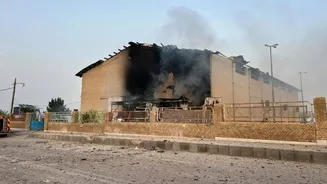
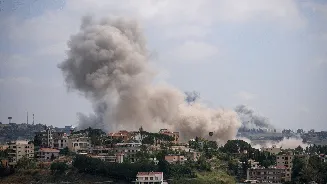
The latest escalation is part of the wider regional conflict involving Israel, Hezbollah and Iran. Hezbollah entered the confrontation after tensions between Israel and Iran escalated, triggering a new round of fighting along the Israel-Lebanon border. Israel responded with heavy airstrikes and ground operations in southern Lebanon.
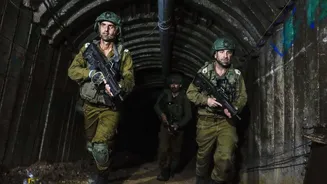
Israeli forces have in recent times captured several strategic positions and pushed deeper into Lebanese territory, saying the objective was to prevent Hezbollah from rebuilding its military infrastructure and threatening northern Israel.
A US-backed ceasefire and subsequent negotiations have attempted to stop the fighting. But the core dispute remains unresolved. Israel wants Hezbollah’s military infrastructure dismantled and seeks security guarantees before making a complete withdrawal from areas it controls. Hezbollah, meanwhile, has demanded an Israeli withdrawal and opposed giving up its weapons while Israeli forces remain on Lebanese territory.
Why is Ali al-Taher ridge so important?
The answer lies in geography. Ali al-Taher rises to roughly 600 metres above sea level and overlooks large parts of southern Lebanon. Its elevated position gives forces stationed there a clear view of surrounding valleys, roads and settlements.
For Israel, controlling the ridge could improve surveillance and help monitor Hezbollah’s movements. It could also strengthen a wider buffer zone designed to keep Hezbollah forces farther away from the Israeli border.
For Hezbollah, losing the ridge would mean giving up an important defensive position and potentially exposing its movements and infrastructure farther north.
The ridge is also believed to contain underground military facilities. Lebanese security sources cited by Reuters have said Hezbollah has built command centres and weapons storage areas beneath the ridge. Its location is also of particular significance because it connects areas around Nabatieh and Iqlim al-Tuffah, regions where Hezbollah has traditionally maintained a strong presence.