New Delhi: The forests along the Kukrail river in Lucknow’s northern fringes are all set to take on a new role with more than just a green buffer; the Kukrail forest area
is set for a transformation that could engage India as a hotspot for wildlife after dark. The government of Uttar Pradesh has announced plans for the development of the site into India’s first urban night safari, blending innovation, conservation, controlled tourism and city-based leisure tourism with just one set-up.
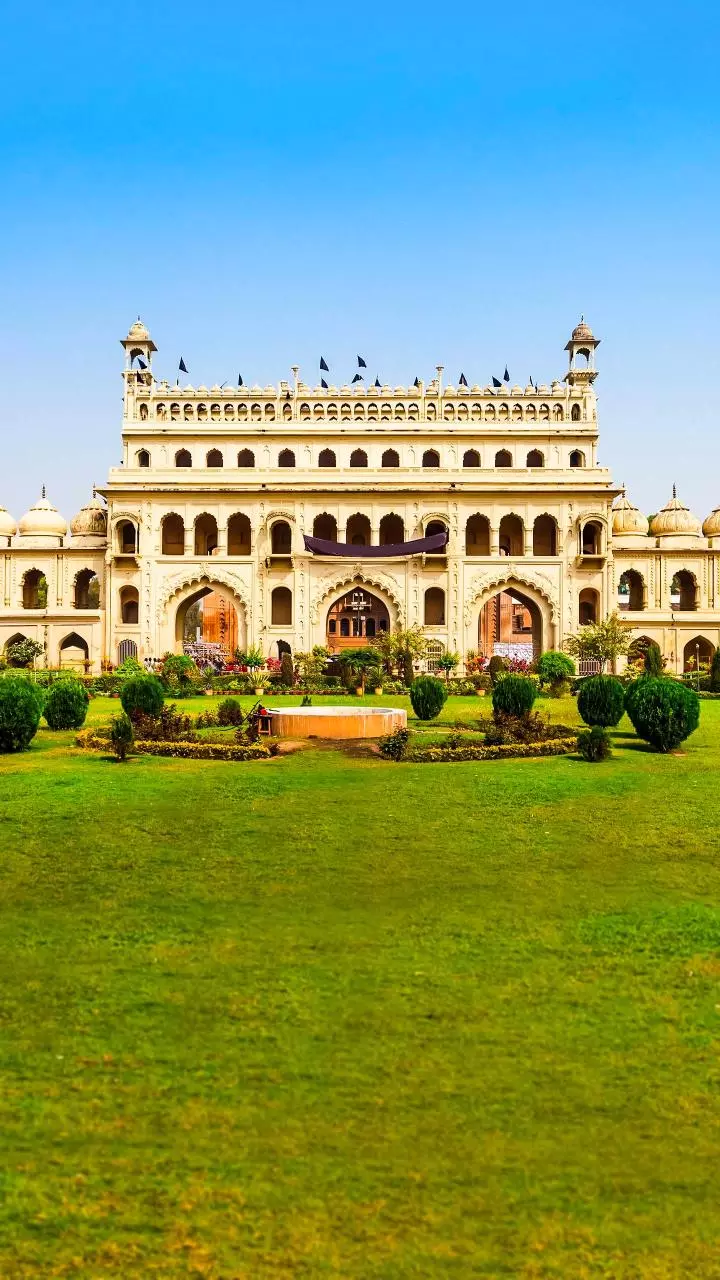
A city which is mostly celebrated for its gastronomic Awadhi cuisine with kebabs, heritage buildings and historical charm of legacy and royalty, the idea of a nocturnal wildlife safari feels quite radical.
Lucknow to get urban wildlife safari
The Kukrail’s officials believe its geographical and existing conservation can make it a unique yet believable concept. As per the statements released earlier in December, the night safari is a part of the plan for a broader push to expand ecotourism in the state capital while strengthening public engagement with wildlife protection.

The plan is to bring a piece and more of Singapore-inspired night safari, with local ecology and environmental priorities to bring a sense of tourism with wildlife.
Located near the Kukrail River on Lucknow’s outskirts, this forest area already serves as an important green zone for the city. It has long been home to conservation centres for crocodiles, gharials and turtles, making it one of the few places in India where wildlife protection and public access work side by side.
Officials say this existing setup made Kukrail the ideal location for a night safari focused more on learning and observation than entertainment. The project aims to show that city life and wildlife awareness can coexist. By creating this experience within Lucknow itself, organisers hope to attract families and new visitors who might not travel far for nature-based tourism.
What sets Night Safari apart from others
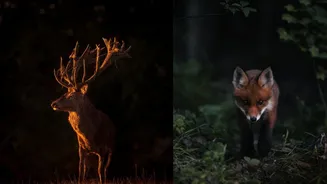
The upcoming night safari will let visitors watch nocturnal animals in the evening through planned routes and specific viewing areas. Entry will be tightly regulated, and visitors will follow controlled paths to avoid disturbing the wildlife. Low-impact lighting will be used, and the experience will be guided, not open or free-roaming.
According to officials, the goal is to educate people rather than entertain them. The safari will help visitors learn how animals behave after sunset, something most city dwellers never get to see.