



New Delhi: The nine colours of Shardiya Navratri 2026 are orange, white, red, royal blue, yellow, green, grey, purple and peacock green. Each colour is
traditionally associated with qualities such as courage, peace, prosperity, growth and spiritual strength. Many devotees wear the designated colour of the day while worshipping Maa Durga, making this tradition part of the festival’s daily rituals and celebrations.
Shardiya Navratri begins on October 11, 2026. The colour sequence follows a popular tradition in which the first colour is determined by the weekday on which Navratri begins, followed by a set sequence for the remaining days. The meanings attached to these colours are cultural and devotional associations, rather than compulsory rules for worship.
What Are the Nine Colours of Navratri 2026?
| Date | Navratri colour | Traditional significance |
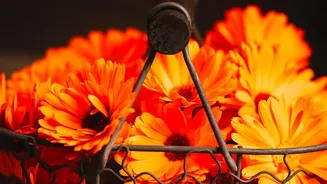
| October 11, Sunday | Orange | Energy, warmth and enthusiasm |
| October 12, Monday | White | Peace, purity and serenity |
| October 13, Tuesday | Red | Strength, passion and divine power |
| October 14, Wednesday | Royal blue | Confidence, stability and dignity |
| October 15, Thursday | Yellow | Joy, optimism and positivity |
| October 16, Friday | Green | Growth, renewal and harmony |
| October 17, Saturday | Grey | Balance, composure and resilience |
| October 18, Sunday | Purple | Spirituality, dignity and nobility |
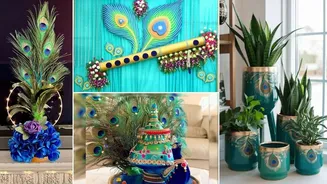
| October 19, Monday | Peacock green | Freshness, individuality and compassion |
This is the widely followed colour schedule for Navratri 2026. Regional observances may use different colour lists or interpretations.
Why Is a Different Colour Associated With Each Day of Navratri?
The practice of wearing a different colour each day adds a visible expression of devotion to the nine-day worship of Maa Durga. It is particularly popular in communities where families coordinate their clothing with the daily colour, including during Garba and Dandiya celebrations.
Each colour carries a symbolic meaning. Orange represents energy and enthusiasm, while white is associated with calmness and purity. Red evokes strength and the fierce protective power of the Goddess. Royal blue represents confidence, while yellow is linked with happiness and optimism.
Green symbolises growth and renewal. Grey represents emotional balance, and purple is associated with dignity and spiritual depth. Peacock green brings together associations with freshness, compassion and individuality.
These meanings help devotees connect the tradition with personal intentions during Navratri. However, the colours should not be treated as guarantees of particular blessings or outcomes.
Is It Compulsory to Wear the Navratri Colour of the Day?
No. Wearing the prescribed colour is a popular devotional and cultural custom, not a universal requirement for Navratri puja. Devotees can worship Maa Durga in any clean and appropriate clothing according to their family traditions.
Those who enjoy following the colour schedule can incorporate it through a saree, kurta, dupatta, accessory or other clothing. There is no need to purchase a new outfit for every day to participate in the tradition.
How Can You Follow Navratri Colours in 2026?
Keep the date-wise list handy when planning your outfits for daily puja, temple visits, Garba nights or family celebrations. If you are observing a local temple tradition that follows a different colour sequence, prioritise that practice.
The nine colours add a meaningful visual tradition to Navratri, but the heart of the festival remains the worship of Maa Durga and her nine forms. Whether you dress in the colour of the day or simply participate in prayer, aarti and fasting according to your custom, the observance is an expression of devotion rather than a test of following every ritual perfectly.
Written by: Tanya Singh of Astropatri.com. For feedback, please write to hello@astropatri.com.