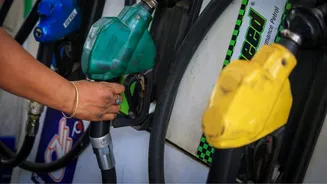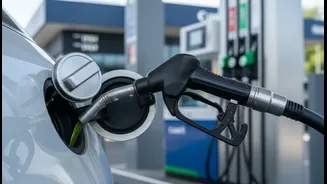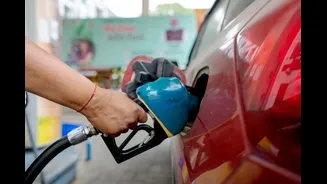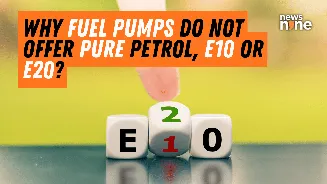










New Delhi: Indian motorists have repeatedly asked why petrol pumps do not offer a choice between pure petrol, E10 and E20. The question has become more
common among owners of older cars and motorcycles, especially vehicles labelled as compatible only with E10 fuel.
The government says offering all three fuels across the country would make the supply system costly and difficult to manage. It also argues that E20 was introduced after years of testing with carmakers, component suppliers and research agencies, with checks covering engines, fuel systems, durability, emissions and mileage.
What the government says about older vehicles
According to the Q&A on ethanol released by the government, vehicle manufacturers were consulted before the shift to E10 and E20. It says most companies continue to honour warranties for old and new vehicles.
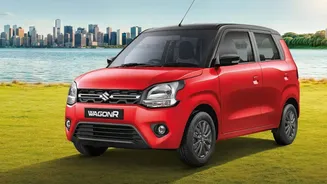
The Centre has cited field data from Maruti Suzuki, which serviced 2.84 crore vehicles in FY 2025-26. Of these, around 1.5 crore were older vehicles without E20 certification. The company reportedly found no E20-linked corrosion, abnormal wear or damage to component life.
Hero MotoCorp is said to have reported similar findings.
Still, the government accepts that some vehicles may see a fuel economy drop of around 3 to 5 per cent. For an owner who tracks every litre and every kilometre, that loss will be hard to ignore.
Why petrol pumps cannot stock three fuel types
India has more than one lakh fuel retail outlets linked to refineries, terminals, depots and pipelines. The government says separate nationwide supplies of pure petrol, E10 and E20 would:
- Raise storage and transport costs
- Add more tanks and handling systems
- Make stock management harder
- Reduce efficiency across the fuel network
Premium petrol is sold at selected outlets, but the Centre says it is a niche product with added compounds and cannot be compared with three separate base fuel streams.
Ethanol investment is part of the decision
Public sector banks have financed close to ₹1 lakh crore a year in ethanol plants and related infrastructure. The government says reversing the policy could affect farmers, cooperatives, distilleries and lenders that invested around the national blending target.
E20 is claimed to offer higher octane, cleaner combustion and lower lifecycle carbon emissions. But for motorists, the bigger issue remains compatibility, mileage and long-term repair costs that will decide whether the policy earns public confidence.