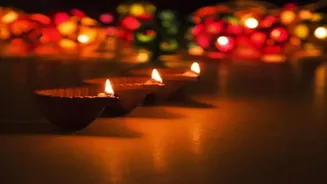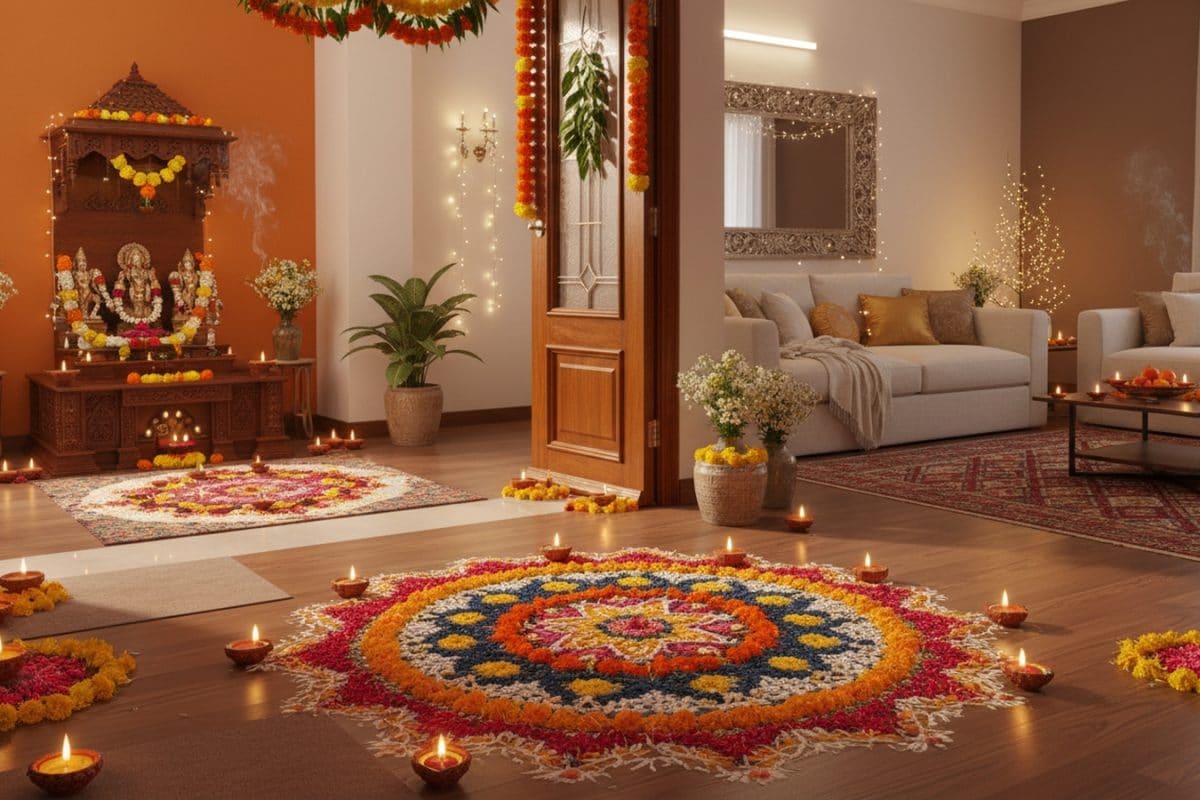




New Delhi: Chhoti Diwali, also known as Naraka Chaturdashi, Kali Chaudas and Roop Chaudas, is the second day of the five-day Diwali festival. It falls
on the Chaturdashi of the dark half of the lunar month of Kartik, and this year it is on November 7. Families light diyas, clean their homes, prepare sweets and take an oil bath, known as abhyanga snan, before the main Diwali celebrations begin.
The custom differs from region to region, but the reasons behind it are largely the same across households. They include a religious belief, a legend about Lord Krishna, the idea of a fresh start and a practical benefit for skin and joints as winter nears. Read on to find out why people take an oil bath on Chhoti Diwali and how the ritual is followed in Maharashtra, Goa, Tamil Nadu and North India.
Why people take an oil bath on Chhoti Diwali
Belief in Goddess Lakshmi and Ganga
According to belief, Goddess Lakshmi is present in oil and Goddess Ganga in water on this particular day. A bath with sesame oil is therefore regarded as sacred and purifying, much like a dip in the holy Ganges, and is said to bring good fortune, health and prosperity.
Krishna’s victory over Narakasura
The ritual recalls Lord Krishna’s win over the demon Narakasura, in which Satyabhama is also remembered. As the legend goes, Krishna bathed in oil after the battle to wash off the blood and grime. The act stands for the removal of evil, negativity and ego.
A fresh start
The bath is also seen as a way to begin afresh. It is meant to wash away the dust, ego, anger and troubles of the past year, so that the mind and body are ready to welcome Goddess Lakshmi on Diwali.
Ayurvedic benefits for winter
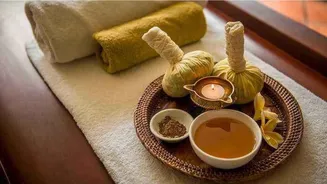
Warm sesame oil or festival oil is used for the bath, and it is often followed by a herbal scrub such as ubtan or shikakai. As winter approaches, this helps with dry skin and stiff joints by nourishing the skin and improving circulation.
How different regions follow the oil bath
In Maharashtra and Goa, families perform abhyanga snan before dawn. After the bath, they crush a small bitter fruit called karit under the left heel, which symbolises crushing the demon Narakasura.
In Tamil Nadu and other southern states, the oil bath, called Ganga Snanam, takes place on the morning of Deepavali itself. Elders apply warm sesame oil, known as nallennai, to the heads of family members, who then bathe using shikakai or gram flour.
In North India, the day is called Chhoti Diwali or Narak Chaturdashi. People apply oil and ubtan, bathe before sunrise and light the first diyas of the festival as preparations for the main celebrations begin.
Whatever the region or the reason, the oil bath is a central part of how families mark Chhoti Diwali. Its mix of belief, legend and seasonal care explains why the custom has stayed relevant, and it prepares everyone at home for the main Diwali celebrations.