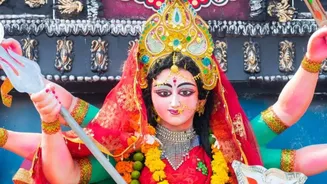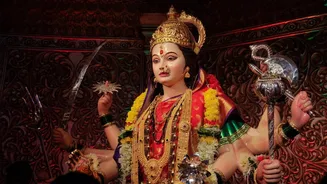






New Delhi: Why is Maa Durga worshipped in nine different forms during Navratri, and what does each form represent? The nine manifestations of the Goddess,
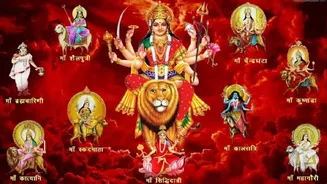
collectively known as Navadurga, embody different expressions of divine feminine power, from courage and discipline to protection, wisdom and spiritual fulfilment. Each day of Navratri is traditionally dedicated to one form, giving devotees an opportunity to reflect on a particular quality and bring that intention into their prayers.
Shardiya Navratri 2026 begins on October 11. As devotees prepare for nine days of worship, understanding the significance of each Navdurga can make the daily rituals more meaningful than simply following a puja schedule.
What Are the Nine Forms of Maa Durga and What Do They Represent?
1. Maa Shailputri: Strength and New Beginnings
Worshipped on the first day, Maa Shailputri is the daughter of the mountains and an embodiment of strength, stability and devotion. Her association with the Himalayas reflects a grounded spirit that remains firm through challenges.
What to pray for: Inner strength, clarity and courage to begin a new chapter with confidence.
2. Maa Brahmacharini: Patience and Self-Discipline
Maa Brahmacharini represents penance, dedication and the strength to remain committed to a chosen path. Her form reminds devotees that meaningful progress often requires patience rather than immediate results.
What to pray for: Willpower, emotional balance and the discipline to remain focused on important goals.
3. Maa Chandraghanta: Courage and Protection
Recognised by the crescent moon shaped like a bell on her forehead, Maa Chandraghanta represents courage and readiness to confront adversity. Her fierce yet compassionate form reflects the strength needed to protect what matters.
What to pray for: Fearlessness, peace of mind and protection from difficulties.
4. Maa Kushmanda: Creation and Vitality
Maa Kushmanda is associated with the creative energy believed to sustain the universe. Her form celebrates the power of life, optimism and the energy required to nurture new possibilities.
What to pray for: Good health, vitality, creativity and prosperity in personal and family life.
5. Maa Skandamata: Motherhood and Compassion
Maa Skandamata, the mother of Lord Skanda, represents maternal affection, wisdom and protection. Her worship highlights the importance of caring for others without losing sight of inner strength.
What to pray for: Family well-being, harmony, wisdom and the ability to care for loved ones.
6. Maa Katyayani: Determination and Justice
Maa Katyayani is a fierce manifestation of the Goddess associated with the destruction of evil and the restoration of righteousness. She symbolises decisive action when difficult choices must be made.
What to pray for: Courage in challenging situations, confidence and strength to stand up for what is right.
7. Maa Kalaratri: Fearlessness and the Destruction of Negativity
Although her appearance is formidable, Maa Kalaratri is revered as a protector who removes fear and confronts destructive forces. Her form reminds devotees that facing darkness can be necessary for transformation.
What to pray for: Freedom from fear, resilience during difficult times and the strength to overcome negative influences.
8. Maa Mahagauri: Peace and Purity
Maa Mahagauri represents purity, serenity, compassion and renewal. Her worship encourages devotees to seek peace within themselves and let go of resentment and emotional burdens.
What to pray for: Inner peace, harmony in relationships and a fresh beginning after difficult experiences.
9. Maa Siddhidatri: Wisdom and Spiritual Fulfilment
The ninth form, Maa Siddhidatri, is associated with spiritual accomplishments, wisdom and the fulfilment of sincere aspirations. Her worship represents the culmination of the Navdurga journey.
What to pray for: Wisdom, spiritual growth, meaningful progress and the ability to use one’s abilities responsibly.
How Can Devotees Make Navdurga Worship More Meaningful?
Each form offers a different way to reflect on life. Devotees may pray for courage when facing uncertainty, patience while pursuing a goal or compassion when navigating family relationships. These intentions can accompany daily aarti, mantra chanting, fasting or other customary forms of worship.
The significance of Navdurga lies in recognising the many expressions of Shakti, the divine feminine power. Across nine days, the Goddess is worshipped as a source of strength, a protector, a mother and a giver of wisdom.
Rather than treating each day as a separate ritual to complete, devotees can use Navratri 2026 as an opportunity to reflect on these qualities and carry their meaning into everyday life.
Written by: Tanya Singh of Astropatri.com. For feedback, please write to hello@astropatri.com.