





New Delhi: Creating jewellery pieces for a film based on the Ramayana is not a small task, especially when the story has been part of Indian households
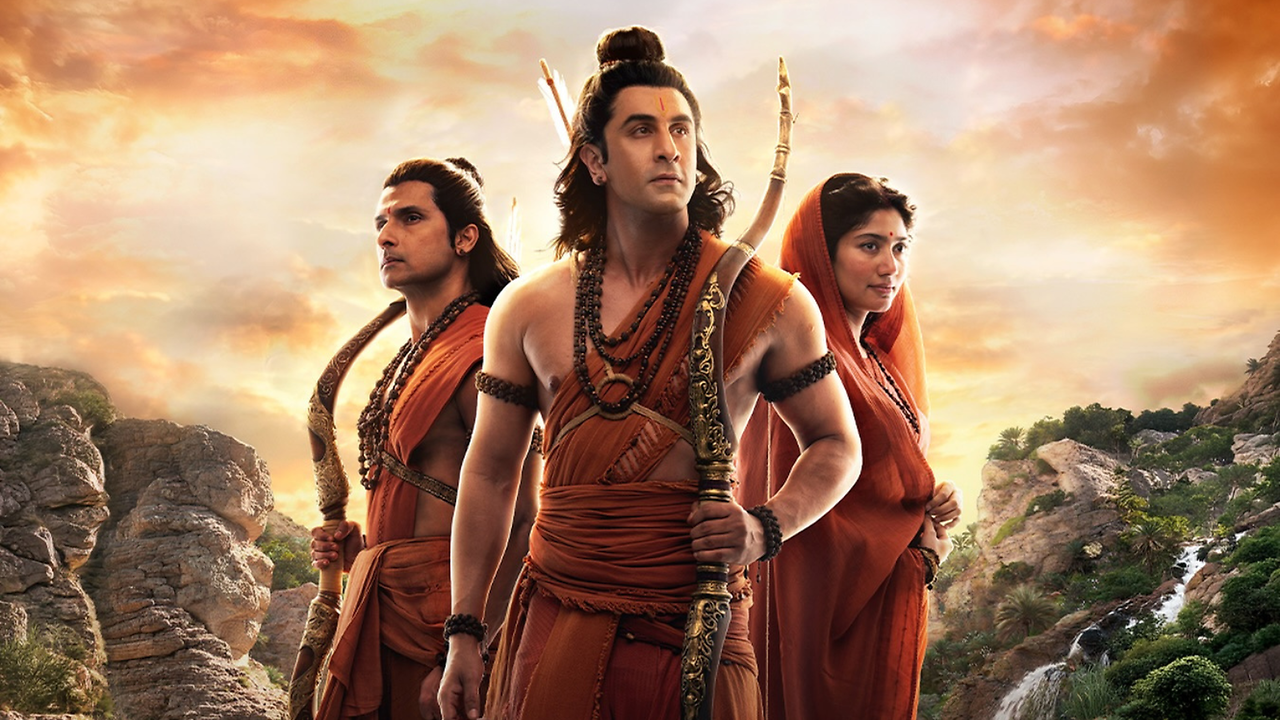
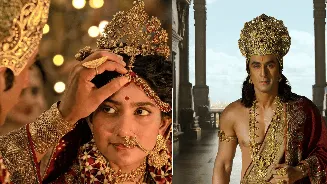
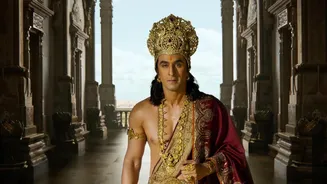
for generations. Nitesh Tiwari’s upcoming film Ramayana, House of Amrapali has created around 4,500 jewellery pieces, drawing inspiration from ancient architecture, historical references and iconic paintings.
In an exclusive interview with NDTV, Tarang Arora, Creative Head of House of Amrapali, opened up about the experience of working on the film and the thought behind its jewellery designs. He also spoke about how watching Ramanand Sagar’s
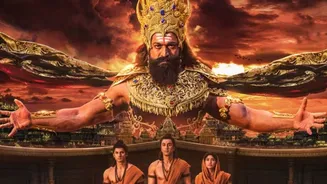
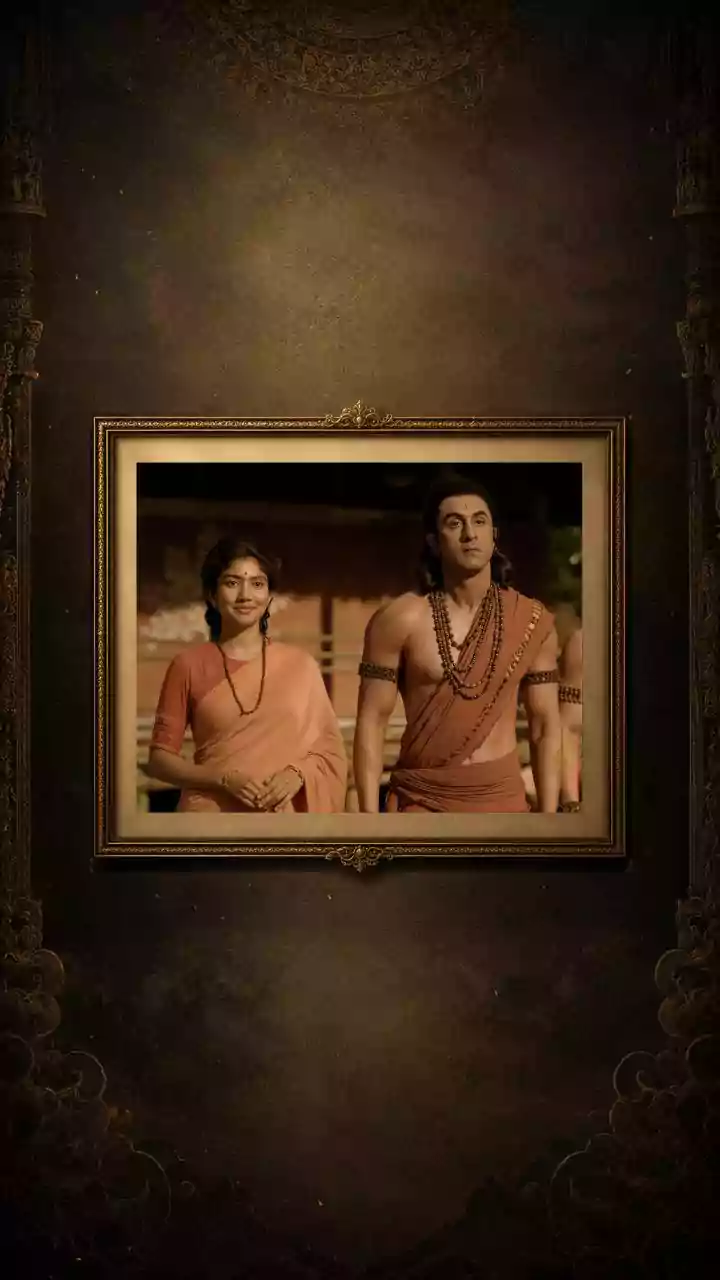
Ramayan as a child made this project particularly special for him.Produced by Namit Malhotra, Ramayana features Ranbir Kapoor as Lord Rama, Sai Pallavi as Sita, Ravi Dubey as Laxman and Yash as Ravana. Since Ranbir’s first look as Lord Rama was revealed, the film has remained a talking point among fans. Along with its cast and scale, the attention given to the characters’ appearance has also drawn interest.
This Ramayana is for the next generation
For Tarang Arora, working on Ramayana brought back memories of his childhood. Recalling his first reaction when House of Amrapali became the film’s official jewellery partner, he told NDTV, “I think my first reaction was nostalgia.”
He remembered watching Ramanand Sagar’s Ramayan, which aired on Doordarshan every Sunday at 9 am. He also recalled how excited his uncle was about the show.
“I still remember my mama (uncle) buying the entire video cassette set, and he was so excited,” he shared.
For many Indian families, watching Ramayan and Mahabharata was part of growing up, and Arora said he was no different. He described these shows as an important part of childhood, particularly for his generation, when television was becoming a regular part of people’s lives.
“It is such an iconic part of every Indian’s life, of every Hindu, and of everyone who is a part of this country. It is not just a part of our culture and history, but also a part of our childhood, at least for my generation,” he said.
Arora also remembered watching Jungle Book alongside these epic shows. Being involved in a new screen adaptation of a story he had grown up watching made the experience even more meaningful for him.
“This is going to be my kids’ Ramayana, the one they will watch and the one future generations will see. Being a part of it is incredibly exciting,” he said.
View this post on Instagram
What inspired the 4,500 jewellery pieces for Ramayana?
Creating thousands of jewellery pieces for a film set in the world of the Ramayana required the team to look beyond familiar screen portrayals. According to Arora, ancient architecture, archaeological references and the film team’s vision all played a role in shaping the designs.
Since audiences already have their own ideas of what Lord Rama, Sita and other characters should look like, the team had to consider those familiar images while developing the jewellery for this adaptation.
Arora also pointed to the influence of Raja Ravi Varma’s paintings, which have shaped how many Indians imagine characters from Hindu mythology.
“I think that is all to do with Raja Ravi Varma’s paintings, which were a very important reference point. Of course, working with the Ramayana team, understanding their vision, understanding their inputs, imagining what Ayodhya and Lanka would have looked like, and understanding the characters also helped,” he told NDTV.
The team worked closely with the filmmakers to understand how the different characters and settings should be presented. The aim was to create jewellery that suited the world of the film while drawing from historical and artistic references.
With around 4,500 pieces created over 18 months, the project involved a considerable amount of planning and work. The designs were developed with the film’s setting and characters in mind, making jewellery an important part of how this version of the epic will appear on screen.
View this post on Instagram
Who was Raja Ravi Varma, and why are his paintings important?
Raja Ravi Varma was a pioneering Indian painter from Kerala, known for bringing Indian mythological stories and characters to life through his paintings. His work combined European academic realism with Indian themes, helping make figures from the Ramayana and Mahabharata more familiar to a wider audience.
His paintings have played a major role in shaping the popular visual image of Hindu gods, goddesses and mythological characters. For generations, these artworks have influenced how people imagine figures such as Rama, Sita and other characters from Indian epics.
Some of his well-known works include Radha in the Moonlight, Shakuntala, Hamsa Damayanti, Draupadi Vastraharan and Jatayu Vadha.
For a film like Ramayana, these paintings offer an important visual reference. They provide a starting point for imagining the characters, their clothing and jewellery, while the filmmakers can develop their own interpretation for a new generation of viewers.
Written By Uditi Sharma!