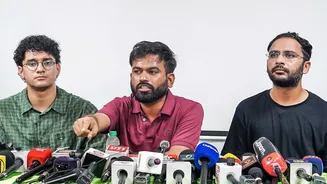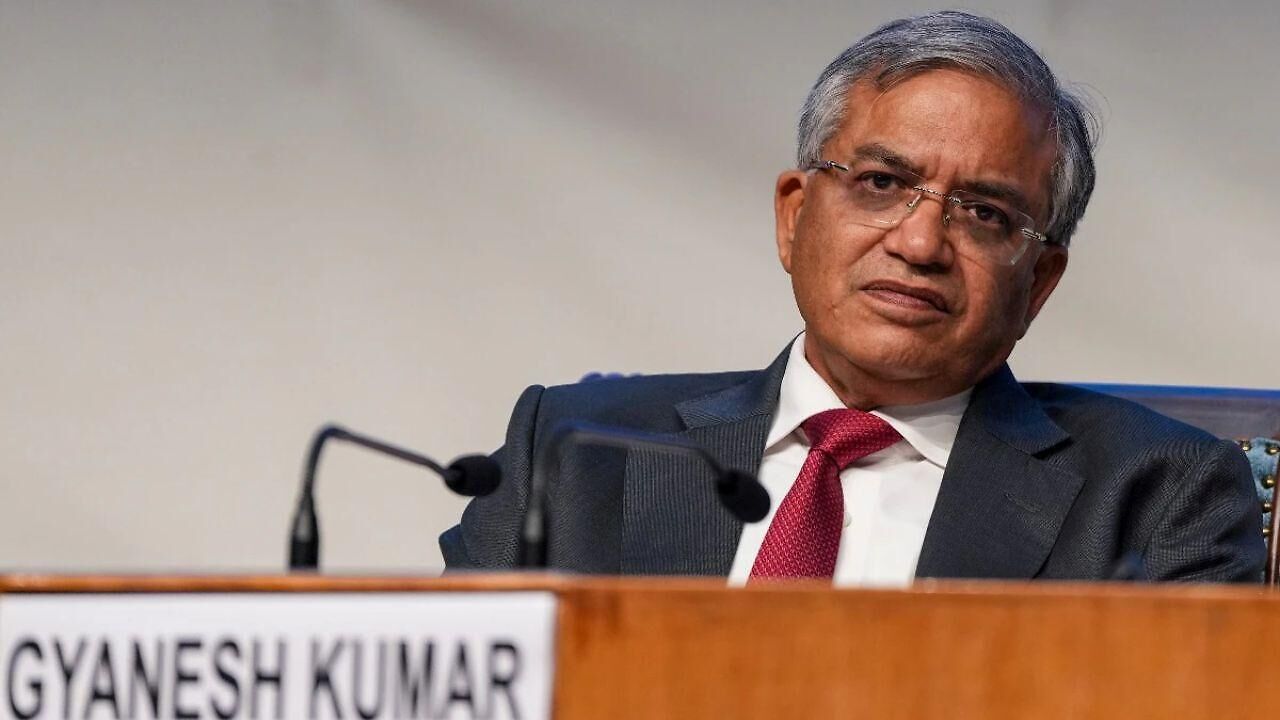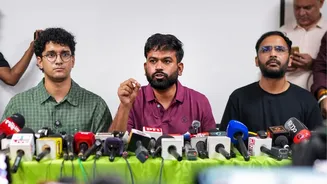






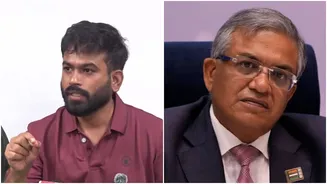
New Delhi: The Cockroach Janta Party (CJP) has alleged that Mumbai Police denied permission for its proposed protest against Chief Election Commissioner
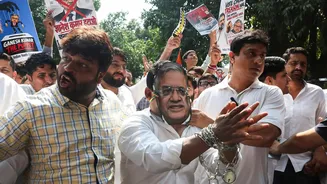
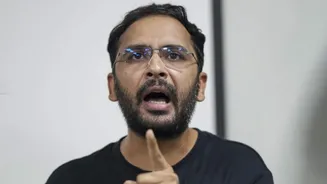
Gyanesh Kumar in Mumbai on October 2. CJP co-founder Abhijeet Dipke said the party would consider launching a “Jail Bharo Andolan’ in the city if it was prevented from exercising its ‘right to protest’.
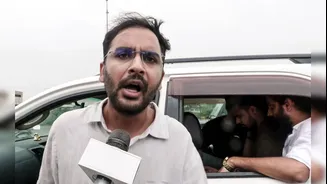
Dipke made the remarks on Sunday while reacting to the police decision. He alleged that such restrictions were aimed at suppressing citizens’ voices and questioned why permission could not be granted for the proposed demonstration.
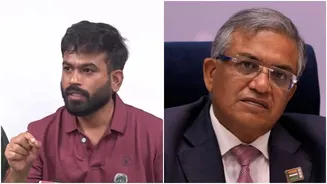
The CJP had earlier announced plans for nationwide protests from Mumbai on October 2, Gandhi Jayanti, if Kumar did not resign by September 26. The party has been demanding the CEC’s resignation amid controversy over reported differences within the three-member Election Commission concerning electoral roll-related decisions.
Why Mumbai Police denied permission
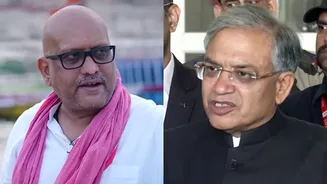
According to the Mumbai Police, it does not have the authority to grant permission for gatherings at Shivaji Park. The police said the applicant, Ajinkya Shinde, had been informed about the issue and advised to choose an alternative venue in Mumbai.
The police notification stated that the applicant had been advised to seek permission for another location, which would be considered according to the applicable procedure.
Dipke questioned the decision and asked, “How was Eknath Shinde granted the permission then?” while reacting to the police explanation.
The CJP had earlier said that its nationwide agitation would begin in Mumbai before being taken to other cities across the country. Dipke had also appealed to citizens to participate in the October 2 mobilisation and save democracy.
What is the row over dissent within EC?
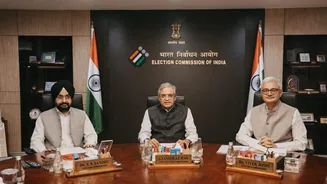
The controversy follows an investigation by The Indian Express, which reported that Election Commissioners Sukhbir Singh Sandhu and Vivek Joshi had formally raised objections on at least 14 occasions over 10 months concerning various decisions related to electoral rolls and the Special Intensive Revision (SIR). The report said the objections covered issues including voter registration, deletion of names and access to the electoral roll database.
The Election Commission, however, has rejected the suggestion that the reported differences amounted to a split in decision-making. The poll body has maintained that individual views and observations are part of institutional deliberations, while final decisions, including those related to SIR and Form 6 changes, were approved unanimously by the full commission.
The CJP has cited the reported differences as one of the reasons for its campaign against Kumar and has called for his resignation.
Dipke had earlier said that if Kumar did not step down, CJP would begin its nationwide protest from Mumbai on October 2 and subsequently take the agitation to other cities.