





Kolkata: The increased price that the people are paying for petrol, diesel, natural gas and electricity is not going to come down to pre-war levels immediately
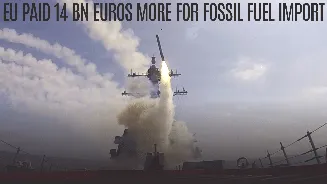
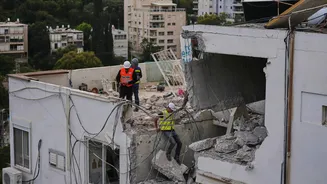
even if the US-Iran war ends tomorrow, the EU energy commissioner has warned. Numerous countries are bearing the brunt of this war that began on Feb 28 with the US and Israel raining down missiles on Teheran killing Iran’s supreme leader, a few members of his family and several senior military officers of the country. So far in the war EU has paid 14 billion euro more than what it pays for the import of fossil fuels, said EU commissioner Dan Jorgensen as quoted by PTI.
“What I find extremely important is to state as clearly as I can, that even if that peace is here tomorrow, still we will not go back to normal in a foreseeable future,” EU energy commissioner Dan Jorgensen said in after a meeting of EU energy ministers. He admitted pressure on supply of aviation fuel and diesel as well as rising pressure on global gas markets, which are also triggering a rise in electricity prices. In the EU a signifcant amount of electricity is generated with the help of natural gas.
EU preparing survival kit
The EU energy commissioner said that the executive arm of the European Union is drawing up a string of measures that will help families and businesses to survive the big jump in oil prices. Overall, the European countries have suffered a near 70% hike in gas and 60% hike in crude oil prices. According to Jorgensen the EU member countries should “avoid fragmented national responses and disruptive signals to the markets.” EU president Ursula von der Leyen has suggested a tax cut on electricity, which is being considered.
The EU is now exploring new energy sources from countries such as Azerbaijan, Algeria, Canada, he said.
Work from home, lower vehicle speeds
Significantly, in order to reduce energy consumption, the EU is contemplating steps such as work from home, lower speeds on highways, car pooling and a focus on public transport. These are part of the 10-point formula given by the International Energy Agency to tackle the energy crisis. He also said that EU is contemplating whether it could levy a one-time windfall tax on gas companies. The EU states have to now financially support vulnerable groups or industries that are facing immense stress.