








New Delhi: Days after the meme-driven Cockroach Janta Party (CJP) claimed credit for building public pressure over the NEET paper leak controversy, a new
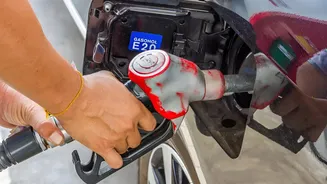
online campaign has emerged targeting the Centre’s ethanol-blended fuel policy. Calling itself the ‘E20 Janta Party’, the group is demanding that consumers be given the option to buy 100 per cent petrol and has called for the resignation of Union Road Transport and Highways Minister Nitin Gadkari.
Campaign demands choice of fuel, targets Gadkari
The E20 Janta Party describes itself as a citizen-led consumer rights movement rather than a political organisation. While saying it is not opposed to ethanol-blended fuel, the group argues that motorists should have the freedom to choose between E20 fuel and pure petrol at filling stations. It has also demanded transparent labelling of fuel blends and greater public disclosure of data on the impact of ethanol on vehicle performance.
The campaign has also directly targeted Nitin Gadkari, seeking his resignation over the government’s push for ethanol blending. Social media posts associated with the group argue that consumers are paying the same price for E20 fuel despite concerns over reduced mileage and compatibility with some vehicles. The campaign has gained traction online, echoing the satirical, internet-driven style that characterised the earlier CJP movement.
Part of wider debate over ethanol policy
The campaign comes amid growing public debate over India’s ethanol blending programme that has been ongoing for some time now. Critics have argued that ethanol-blended petrol offers lower fuel efficiency and may affect older vehicles, while some opposition leaders have also alleged a conflict of interest involving Gadkari, an allegation the minister has repeatedly denied.
The movement has also found support among some transporters and taxi unions, with protest plans reportedly being organised in Delhi. The government, however, has continued to defend the E20 programme as part of its strategy to reduce oil imports, support farmers through increased ethanol production and lower carbon emissions.