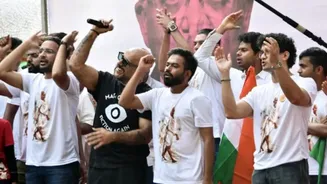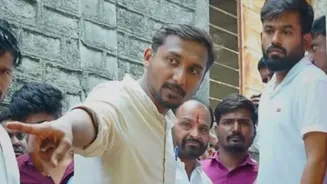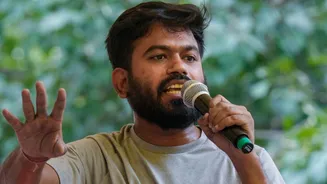






New Delhi: Bangladesh’s National Citizen Party (NCP) has backed the Cockroach Janta Party (CJP)-led agitation against the Special Intensive Revision (SIR)
of electoral rolls. Its convener, Nahid Islam, urged Indian authorities to release people detained for exercising their democratic rights.
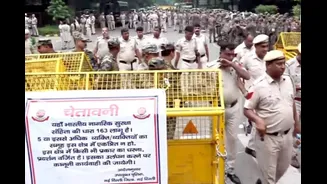
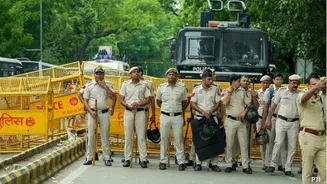
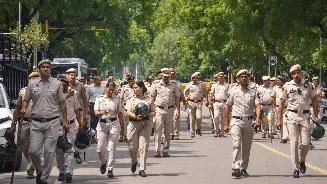
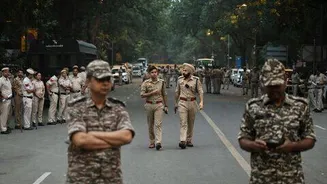
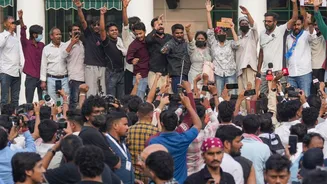
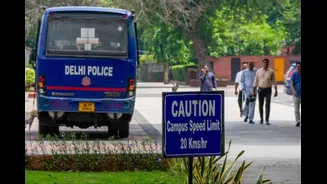
The support came as CJP organisers called for a fresh gathering at Jantar Mantar at 10 am on Sunday. The call followed a police clampdown on Saturday that reportedly led to thousands of detentions across Delhi. The CJP has opposed the SIR exercise and demanded the resignation of Chief Election Commissioner Gyanesh Kumar over alleged electoral irregularities.
Solidarity from Dhaka
In a statement on X, Islam expressed solidarity with Indian youth who seek electoral accountability. He criticised the reported detention of protesters, organisers and journalists, along with internet suspensions and restrictions at Jantar Mantar.
“This struggle is not yours alone”, he wrote.
“From Dhaka, we stand with you as friends bound by a common demand for accountable power, democratic institutions, and human dignity.” Islam said concerns about electoral integrity and institutional independence required transparent answers from authorities.
Bangladesh uprising recalled
Islam drew parallels with Bangladesh’s student-led protests in July 2024. The movement began against recruitment quotas and grew into an uprising that brought down Sheikh Hasina’s government. He cited the UN’s estimate that as many as 1,400 people died during the uprising and its suppression. He also thanked Indian students, writers and independent voices for their support during that period.
Islam referred to Shaheen Bagh and student movements at Jawaharlal Nehru University and Jadavpur University as examples of India’s tradition of democratic resistance. He praised women’s participation in protests in both countries.
Release of detainees sought
The NCP convener urged authorities to disclose the whereabouts of detained organisers and the legal grounds for holding them. He also sought protection for journalists against intimidation and equipment seizure. Islam called for communal harmony and social justice across South Asia, regardless of religion, caste, gender or class.
Shared regional concerns
Islam also referred to the prolonged imprisonment of Sharjeel Imam and Umar Khalid. He described young protesters across India as comrades whose courage inspired others in South Asia. He linked the region’s democratic struggles to border killings, water sharing, environmental protection and national sovereignty. He called for equal relations between countries and governments that remain accountable to their people.