




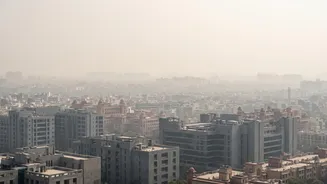
New Delhi: India could be heading into a heightened period of climate-linked health risks, with the World Health Organization (WHO) flagging the country
among those facing high to very high health risks as El Niño strengthens and alters weather patterns across South Asia.
The warning comes at a time when mosquito-borne diseases are already showing signs of an uptick in parts of the country. Delhi reported 90 dengue cases in August alone, the highest monthly tally recorded in the city this year, taking the cumulative number of cases to 311 by August 29, according to data from the Municipal Corporation of Delhi. Malaria cases also rose from 17 in July to 53 in August.
The WHO, however, has not attributed these cases directly to El Niño. Instead, it identifies the climate phenomenon as a risk modifier whose health impact depends on local weather conditions, population vulnerability and the ability of health systems to respond.
How El Niño can influence dengue transmission
El Niño is a periodic warming of surface waters in the central and eastern tropical Pacific Ocean. Although the phenomenon originates far from India, it can influence rainfall and temperature patterns across large parts of the world.
That matters for mosquito-borne diseases because mosquitoes that transmit dengue and malaria are highly sensitive to temperature, rainfall and humidity. Changes in these conditions can influence mosquito breeding, survival and activity, potentially altering the transmission of disease.
For dengue, the risk is particularly relevant in urban areas where stagnant water can accumulate in containers, discarded items, construction sites and other breeding sites. At the same time, the relationship is not straightforward: drought, excessive rainfall and intermittent showers can affect mosquito populations differently depending on local conditions.
This is why the WHO has cautioned against treating El Niño as an automatic trigger for a dengue outbreak. Its effect can vary significantly from one region to another.
Heat is another major health concern
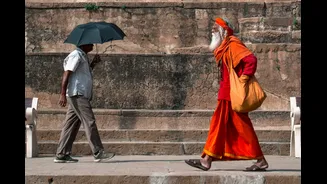
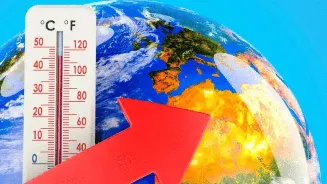
The other major risk highlighted by the changing climate pattern is extreme heat.
Higher temperatures can cause heat exhaustion and potentially fatal heatstroke, while also aggravating existing cardiovascular, respiratory, kidney and metabolic conditions. WHO identifies heat stress as a major environmental and occupational health hazard, with older adults and people with underlying illnesses among those particularly vulnerable.
The consequences can extend beyond immediate heat-related illness. WHO’s El Niño assessment also points to possible risks involving food security, nutrition, maternal and newborn health and non-communicable diseases as weather conditions become more challenging.
What IMD says about El Niño in 2026
India’s weather authorities have been closely monitoring the developing El Niño.
According to the Ministry of Earth Sciences, El Niño conditions were weak in June 2026 and intensified to moderate levels in July. The India Meteorological Department has said the phenomenon could strengthen further during the October-December period and potentially reach the very strong category. However, the eventual impact on India will depend on the interaction of El Niño with other oceanic and atmospheric conditions.
The developing pattern has already affected the monsoon. Government data said India’s cumulative rainfall was 12% below the long-period average as of August 2, while 47% of districts had experienced deficient or large-deficient rainfall.
Why prevention matters now
Experts say the emerging risks underline the importance of early surveillance rather than waiting for disease numbers to surge.
For dengue and malaria, eliminating stagnant water, covering water-storage containers and strengthening mosquito-control measures remain crucial. During periods of extreme heat, adequate hydration, limiting strenuous outdoor activity during the hottest hours and recognising early symptoms of heat illness can reduce the risk of severe complications.
For India, the El Niño warning is therefore less about predicting a single nationwide outbreak and more about preparing for a combination of heat, changing rainfall and vector-borne disease risks.
With the climate pattern expected to strengthen in the months ahead, timely surveillance and preventive action could prove critical in keeping weather-related health threats from escalating into a wider public-health challenge.