





New Delhi: Two-wheeled ambulances could soon receive a separate legal identity under India’s vehicle rules. The Ministry of Road Transport and Highways
has proposed amendments to the Central Motor Vehicles Rules, 1989, covering their construction, registration, operation and inspection.
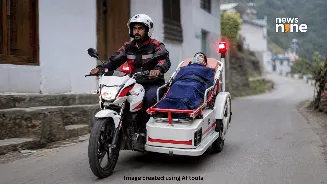
These compact emergency vehicles can reach narrow village roads, crowded city lanes and hilly areas where a regular ambulance may lose precious minutes. They are currently not recognised as a distinct category under the national rules, leaving no common standard for patient safety or vehicle design.
What will change under the draft rules?
Two-wheeled road ambulances manufactured from October 1, 2027, are proposed to follow AIS-209 Part 1:2026. The standard covers an L2-category vehicle fitted with an ambulance accessory or a patient-carrying unit.
The Road Transport Ministry has separately listed AIS-209 Part 2, covering medical equipment for life-support two-wheeled ambulances, as a draft automotive industry standard.
State governments will decide where these vehicles can operate. This could limit their use to rural districts, mountains, crowded settlements or other locations where a four-wheeled ambulance struggles to enter.
Patient safety will face dedicated checks
The proposed inspection process will examine:
- Patient stretcher and locking system
- Patient restraints
- Tyres and rims
- Emergency warning lights
- Loading and unloading system
- Mounting of the patient-carrying unit
- Fire extinguisher condition and accessibility
The standard will cover braking, vehicle stability, rear visibility, parking brakes and coupling strength. It will also require protection against rain, dust and other outdoor conditions during patient transport.
Fitness certificate every two years
Two-wheeled ambulances will be treated as transport vehicles. Their fitness certificates will need renewal every two years.
The idea makes sense on paper. A small ambulance can move quickly through a blocked road, but carrying a patient on two wheels brings clear stability and safety concerns. Loose mountings, weak restraints or poor brakes could turn an emergency response into another emergency.
The draft will remain open for comments for 30 days. The government will examine the feedback before finalising the amendments.