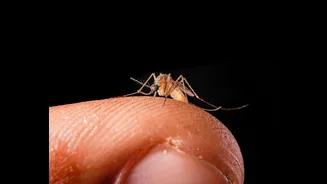









New Delhi: Mosquito-borne diseases such as dengue, malaria and chikungunya are no longer a concern confined to a few weeks of the monsoon. While transmission
still tends to rise during and after rainy periods, changing weather patterns, rapid urbanisation, population density and water-storage practices are creating conditions in which mosquito-borne infections can persist beyond traditional seasonal boundaries. Dr Sneha S, Consultant – Internal Medicine at Manipal Hospital, Kanakapura Road, Bengaluru, says prevention must therefore become a year-round habit.
“Mosquito control cannot be treated as a seasonal activity. We need to identify and eliminate breeding sites regularly, because even a small amount of stagnant water can support Aedes mosquitoes.”, she explains to News9 Live.
The increase in temperatures can further encourage the transmission of mosquito-transmitted diseases as it will increase the activity of mosquitoes and, in some cases, the rate of multiplication.
It is important to note that mosquitoes transmitting dengue and chikungunya require very little clean and stagnant water to breed. This can include water collected in flowerpots, broken bottles, old tires, buckets and uncovered tanks. Contrary to popular opinion, mosquitoes do not bite only at night but Aedes mosquito is mainly a day biting insect.
Prevention starts at home
There is one solution that can be used to effectively control the breeding of mosquitoes. This is ensuring that no water remains stagnant anywhere in your surroundings. Water bottles, coolers, flowerpots, buckets and even drums should be cleaned and emptied on a weekly basis.
Just dumping water may not work every time. Sometimes mosquito eggs get stuck to the sides of containers. This is why it is essential to scrub the containers thoroughly before using the water again. Water tanks and sumps should remain closed at all times. Drains should be open and checked from time to time.
This does not mean that it is the responsibility of individual families alone to make sure that there is no multiplication of mosquitoes in their surroundings. Society buildings, school campuses, offices, factories etc must conduct regular inspections to maintain proper waste disposal and drainage facilities. Even if there is one container that remains neglected, mosquitoes can multiply within it.
Personal protection also matters
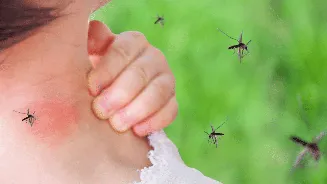
Along with eliminating breeding sites, individuals should take steps to prevent mosquito bites. Wearing full-sleeved clothing, using mosquito repellents and using mosquito nets where appropriate can offer additional protection, particularly for children and older adults.
People should also be alert to symptoms. A sudden fever accompanied by body pain, headache, weakness or rash should not be ignored, particularly during periods of increased mosquito activity. Self-medication should be avoided, and medical advice should be sought for appropriate evaluation and treatment.
Mosquito management is something that needs collective effort. While there is a need for authorities to enhance their surveillance and drainage as well as vector control systems, there is also a significant role played by communities and individual households. It does not take much time every week to ensure that potential breeding areas are identified and destroyed.