







New Delhi: Summer often brings a familiar set of concerns, including tanning, excess sweating, heat rashes, dehydration and skin irritation. Long before
cooling devices and modern skincare products became widely available, communities across South India relied on traditional practices to stay comfortable during the hottest months of the year. Many of these customs continue to be followed today, combining natural ingredients with principles rooted in Ayurveda and regional wellness traditions.
These remedies are designed to support skin health and overall well-being during periods of intense heat. Tamil Nadu and Kerala, in particular, have preserved several seasonal rituals that focus on cooling the body, improving comfort and protecting the skin from summer-related stress. Here are some of the best-known beauty and wellness traditions still practised across the region.
South Indian summer beauty and wellness tips
Kerala’s Nalpamaradi Thailam
Nalpamaradi Thailam, a traditional Ayurvedic oil, is prepared using the bark of four sacred trees, along with ingredients such as turmeric, vetiver and red sandalwood. Depending on the formulation, coconut oil or sesame oil may be used as the base. The oil is commonly applied to help reduce tanning, pigmentation, dark spots and dullness caused by prolonged sun exposure.
How to use
- Apply a small quantity to the face or body and massage gently.
- Leave it on for 10 to 15 minutes before washing off with lukewarm water or a mild cleanser.
Kerala’s Thamarai Neer
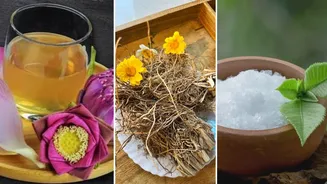
Lotus-infused water, locally known as Thamarai Neer, is a traditional summer drink in Kerala. In Ayurveda, lotus is valued for its cooling properties and is believed to help manage excess body heat.
How to prepare
- It can be prepared using either a cold infusion or a hot infusion method. The cold infusion is considered the traditional Ayurvedic approach as it preserves the flower’s natural cooling qualities.
- For the cold infusion, soak one fresh lotus flower (or two tablespoons of dried lotus petals) in two cups of filtered water overnight. Strain the liquid in the morning and add a small piece of rock candy, if desired, before drinking.
- For the hot infusion, steep two tablespoons of dried lotus petals (or one whole dried lotus flower) in 2.5 cups of hot water for 10 to 15 minutes after switching off the flame. Strain, allow it to cool, and add honey if preferred.
- Avoid boiling lotus petals directly, as excessive heat may affect their delicate aromatic compounds.
Tamil Nadu’s use of Pacha Karpooram
Pacha Karpooram, or edible camphor, is commonly used in Tamil households and temple preparations during summer. It is valued in traditional practices for its cooling qualities and refreshing aroma.
How to use
- When mixed with ingredients such as rose water or sandalwood and applied externally, it produces a cooling sensation on the skin.
- Small culinary quantities are used in certain sweets and seasonal drinks, where it is believed to support digestion and help manage heat-related discomfort.
- Only genuine edible-grade Pacha Karpooram should be used for consumption, as synthetic camphor is unsafe to ingest. It is also used in homes for its fragrance and insect-repelling properties.
Tamil Nadu’s vetiver and herbal bath packs
Vetiver, known locally as khus, remains a key ingredient in traditional herbal bathing practices across Tamil Nadu.
How to use
- It is often mixed with ingredients such as multani mitti, green gram powder, dried rose petals, avaram poo and neem.
- Water is added to create a smooth paste, which is applied to the body and left for around 10 to 15 minutes before rinsing.
- Some households also steep vetiver roots in water overnight and use the infused water during bathing.
- Crushed roots tied in muslin cloth may be swirled through bathwater as a final step, leaving behind a cooling fragrance on the skin.
While modern lifestyles have changed the way people manage heat and skincare, these South Indian beauty and wellness rituals continue to offer practical approaches to staying comfortable during summer days.