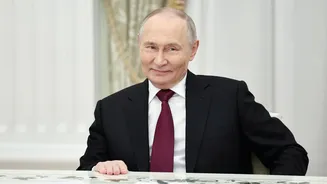





New Delhi: Russian President Vladimir Putin has agreed to resume trilateral peace talks involving Russia, Ukraine and the United States, raising hopes
of fresh diplomatic efforts to end the war in Ukraine. The proposed negotiations could begin after November 10 in Abu Dhabi, according to Reuters.
The development followed a meeting between Putin and US special envoy Steve Witkoff in St Petersburg on Wednesday. Witkoff travelled to Russia after holding talks with Ukrainian President Volodymyr Zelensky and European leaders in Oslo, Norway, a day earlier.
The discussions focused on new proposals to end the war, which began with Russia’s full-scale invasion of Ukraine in February 2022. A US official described the Oslo discussions as constructive, saying they covered key elements of a possible peace framework, including security guarantees for Ukraine, a post-war economic plan and broader European security arrangements.
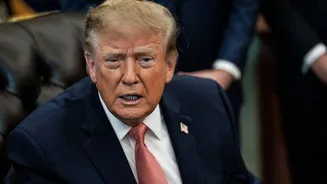
Witkoff said the US had brought new ideas for a potential peace deal. Washington hopes the discussions will create a path towards direct trilateral negotiations involving Putin, US President Donald Trump and Zelensky.
However, a meeting between the Russian and Ukrainian presidents is not yet confirmed. The Kremlin has maintained that any Putin-Zelensky meeting would require careful preparation and substantial progress towards a broader agreement.
Russia releases jailed American Stephen Hubbard
Putin’s meeting with Witkoff also coincided with Russia’s release of Stephen Hubbard, a 74-year-old retired American teacher who had been detained in Russia since April 2022.
Hubbard was sentenced to six years and 10 months in prison in 2024 after being convicted on charges of fighting as a mercenary for Ukraine. He and his legal representatives have disputed the accusations.
The release followed a request from Trump, who said he had raised Hubbard’s case directly with Putin. The American was freed without a prisoner exchange, with Moscow presenting the move as a goodwill gesture.
The development comes amid strained relations between Washington and Kyiv. Trump has repeatedly pressed Ukraine to reach a settlement, while Putin has shown little willingness to abandon key Russian demands, including full control of the eastern Donetsk region and a rejection of Ukraine’s NATO membership.
Ukraine has also raised concerns over disruptions to intelligence-sharing and access to military satellite communications. Although recent talks have indicated some diplomatic momentum, major differences over territory and security guarantees remain unresolved.
The proposed three-way negotiations could offer a fresh channel for discussions, but there is no guarantee that they will produce a ceasefire or a lasting peace agreement.