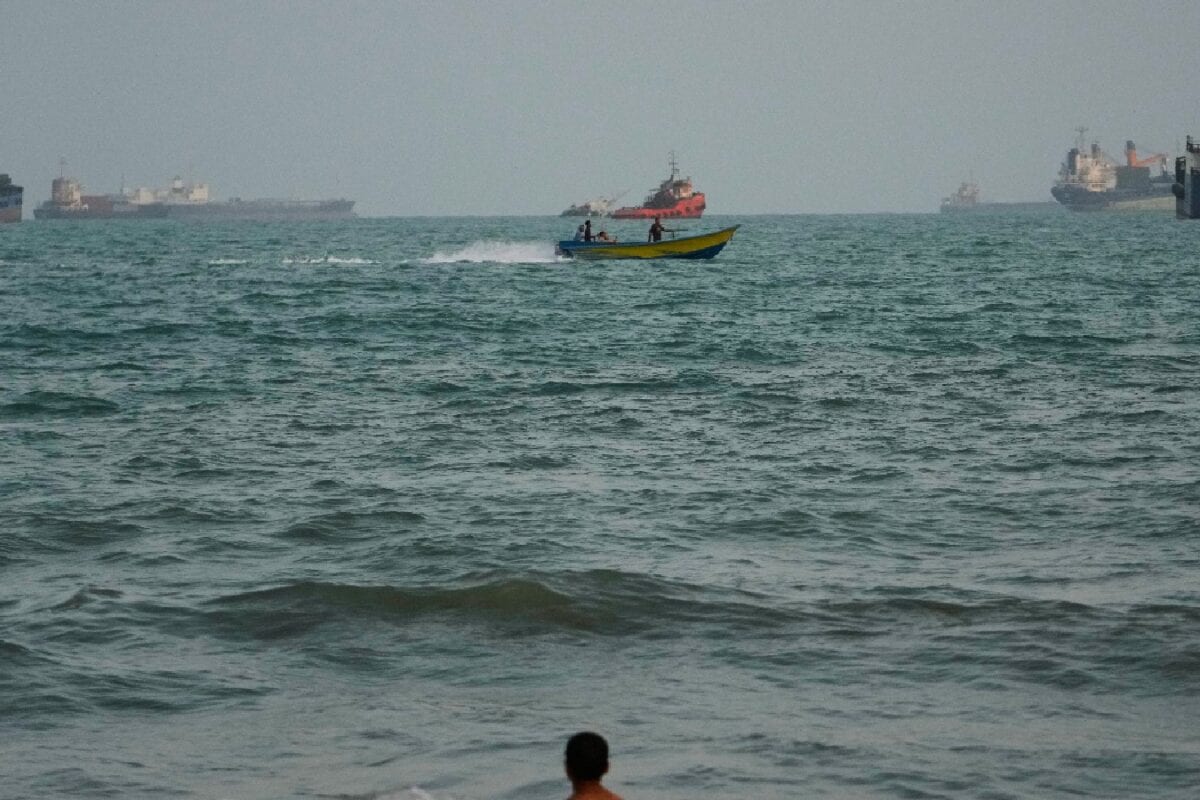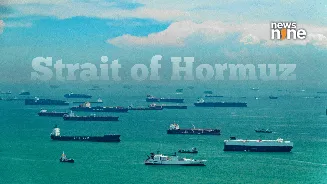








Iran has announced that ships from India, China, Iraq and Qatar can pass through the Strait of Hormuz despite continuing restrictions on one of the world’s
busiest oil shipping routes. The decision comes after months of disruption caused by the conflict involving Iran, the United States and Israel. For India, which depends heavily on imported crude oil and gas, the exemption could bring some relief to shipping companies and energy suppliers.
Amir Hayat-Moghaddam, deputy chairman of the Iranian Parliament’s National Security and Foreign Policy Committee, confirmed the exemptions on November 3. Speaking to the Iranian Students’ News Agency (ISNA), he said, “We have currently exempted India, China, Iraq and Qatar from transit restrictions in the Strait of Hormuz. Ships from these countries pass freely, and the Americans do not intercept them either.”
Read more: US midterms: First openly gay senator, Black woman governor, Muslim American senator and other historic winners
Why has Iran allowed Indian and Chinese ships?
The exemptions are linked to Iran’s economic and diplomatic interests.
According to Hayat-Moghaddam, allowing Indian ships through Hormuz will help Tehran import medicines from India. China has received similar treatment as Iran seeks Beijing’s political support.
Qatar can send ships through without paying transit charges. Iran continues to collect fees from Indian and Chinese vessels. The lawmaker did not clarify whether Iraqi ships must pay.
Read more: Who is Abdul El-Sayed? The first Muslim to enter US Senate after winning midterm polls
Can Indian ships freely move through Hormuz now?
Indian vessels have received permission to transit, but that does not mean unrestricted movement.
Iran’s Islamic Revolutionary Guard Corps Navy operates a system under which ships must provide identification, cargo details and destination information. Authorities then decide whether to permit passage, sometimes after collecting fees.
The European Union confirmed these arrangements in June. Security threats and attacks on commercial shipping remain concerns.
Read more: Several Indian Americans win US Midterm Elections | Check full list of winners
Which countries are banned from the Strait of Hormuz?
Iran has not published a complete, updated list of banned countries alongside the four exemptions.
Its earlier restrictions targeted vessels associated with countries it considers hostile, particularly the United States and Israel.
Ships from other countries cannot assume they have unrestricted access. Their passage may depend on Iranian approval, cargo details and other conditions.
Read more: Democrats take control of US Congress in midterm polls | What it means for Donald Trump
What has the United States said?
Busy with the midterms, Washington has not issued a separately verified response to the latest four-country exemption announcement.
The US has previously opposed Iran’s transit fees. Its Treasury Department says American individuals and businesses cannot make payments to Iranian authorities for safe passage through Hormuz.
The US has imposed its own blockade on Iranian ports. Its stated policy distinguishes ships entering Iranian ports from vessels travelling to other destinations.
Read more: Keisha Lance Bottoms makes history as Georgia elects its first Black woman governor
How long has the Strait of Hormuz been blocked?
The disruption began following US and Israeli strikes on Iran on February 28, 2026. Iran announced the strait’s closure on March 2, and commercial traffic fell sharply.
As of November 4, the crisis has continued for more than eight months. Some vessels are still passing through under special arrangements, but normal shipping has yet to resume.