







New Delhi: Nearly 500 Afghan civilians have been killed and more than 1,200 injured in cross-border fighting between Pakistan and Afghanistan since October
2025, according to a new report by the United Nations Assistance Mission in Afghanistan (UNAMA), underscoring the growing human cost of a conflict that has sharply escalated over the past several months.
The UN report documented 499 civilian deaths and 1,247 injuries in Afghanistan between October 2025 and the end of June 2026 as a result of Pakistani airstrikes, shelling and cross-border clashes. It said the casualties included women, children, healthcare workers and first responders, while repeated attacks on civilian infrastructure raised serious concerns under international humanitarian law.
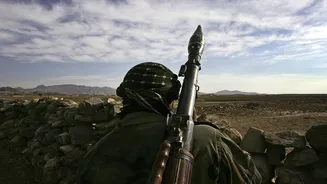
The UN mission also noted that hostilities intensified after Pakistan launched airstrikes inside Afghanistan in February, accusing the Taliban-led government of sheltering militants responsible for attacks inside Pakistan. Afghan forces retaliated, triggering weeks of cross-border exchanges that Pakistani Defence Minister Khawaja Asif later described as an ‘open war.’ Kabul has consistently denied harbouring militant groups.
Deadliest attack was Kabul airstrike
According to UNAMA, the single deadliest incident occurred on March 16, 2026, when a Pakistani airstrike struck the Omid drug rehabilitation centre in Kabul.
The UN verified that at least 269 civilian deaths and 122 injuries from the incident alone, although Afghan authorities have put the toll significantly higher. Amnesty International last week called for an independent investigation, saying its own analysis found no evidence supporting Pakistan’s claim that the facility was being used for military purposes and that the strike could amount to a war crime. Pakistan has rejected those allegations, insisting it targeted legitimate militant infrastructure in self-defence.
Beyond the airstrike, the report said repeated shelling and aerial bombardments damaged homes, health facilities and other civilian infrastructure. It also documented attacks that struck medical personnel and emergency responders attempting to rescue victims, actions that could violate international humanitarian law.
Conflict rooted in militant violence
Relations between Islamabad and the Taliban administration have deteriorated steadily since late 2025. Pakistan blames the Afghan Taliban for allowing the Tehreek-e-Taliban Pakistan (TTP) and other militant groups to operate from Afghan territory and launch attacks across the border. The Taliban government rejects the accusation, maintaining that Pakistan’s security challenges are an internal matter.
The latest UN findings come amid growing international concern over the conflict’s humanitarian consequences. Earlier in March as well, the mission had already warned of rapidly rising civilian deaths as the conflict intensified.